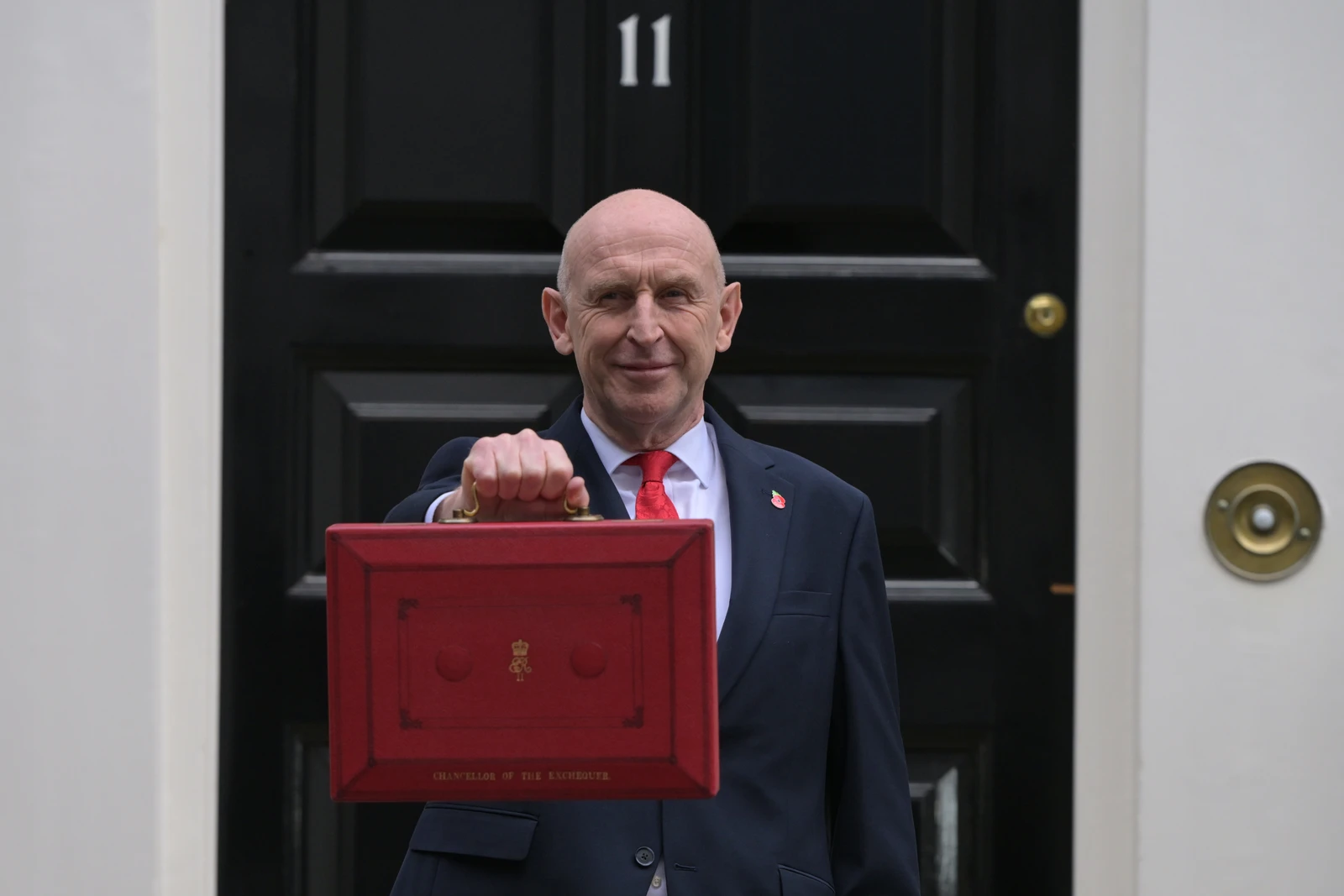
- Britain's finance minister, John Healey, announced a 3.9 percent increase in the main minimum wage rate
- Hourly wage for workers aged 21 and over will rise to £13.21; for those aged 18-20, it will rise to £11.27
LONDON: Britain’s Finance Minister John Healey said on Wednesday that the main minimum wage rate would increase by 3.9 percent.
The rate paid to workers aged 21 and over, currently £12.71 an hour, and the rate payable to workers aged 18-20, now £10.85, will both rise by 3.9 percent. Some analysts and employers had blamed larger jumps in the rate for younger workers for increasing youth unemployment.
The increase means the National Living Wage will increase to £13.21 an hour and the 18-20 National Minimum Wage will be £11.27.
“For 2.3 million of our lowest-paid workers, I’m increasing both the national minimum wage and the National Living Wage by 3.9 percent,” Healey told lawmakers on Wednesday.
In April, Britain’s Low Pay Commission – which advises on minimum wage rates – had said the National Living Wage would probably need to increase by around 3.7 percent in 2027 to £13.18 an hour to keep up with how it expected average pay to rise.
Britain’s main minimum wage rate has risen by around 50 percent since 2020 and is one of the highest among advanced economies as a share of median earnings, following efforts by successive governments to lift it to two thirds of median hourly pay.
Businesses, especially in lower-paying sectors such as retail and hospitality, have complained about the increased minimum wage and higher social security contributions, though there is no clear evidence that it has cost large numbers of jobs.
Between 2024 and 2026, the minimum wage for 18-20 year olds increased significantly faster than that for older workers, and ahead of its 2024 election victory, the Labour Party promised to scrap the lower rate which it called “discriminatory.”
However, in March, the Labour government tweaked the remit of the Low Pay Commission to give it more scope to take labor market conditions into account when setting the minimum wage for 18-20 year olds.
The most recent official data showed that average weekly earnings, excluding bonuses, rose by an annual 3.7 percent in the three months to August, while consumer price inflation hit an 11-month high of 3.5 percent in September.