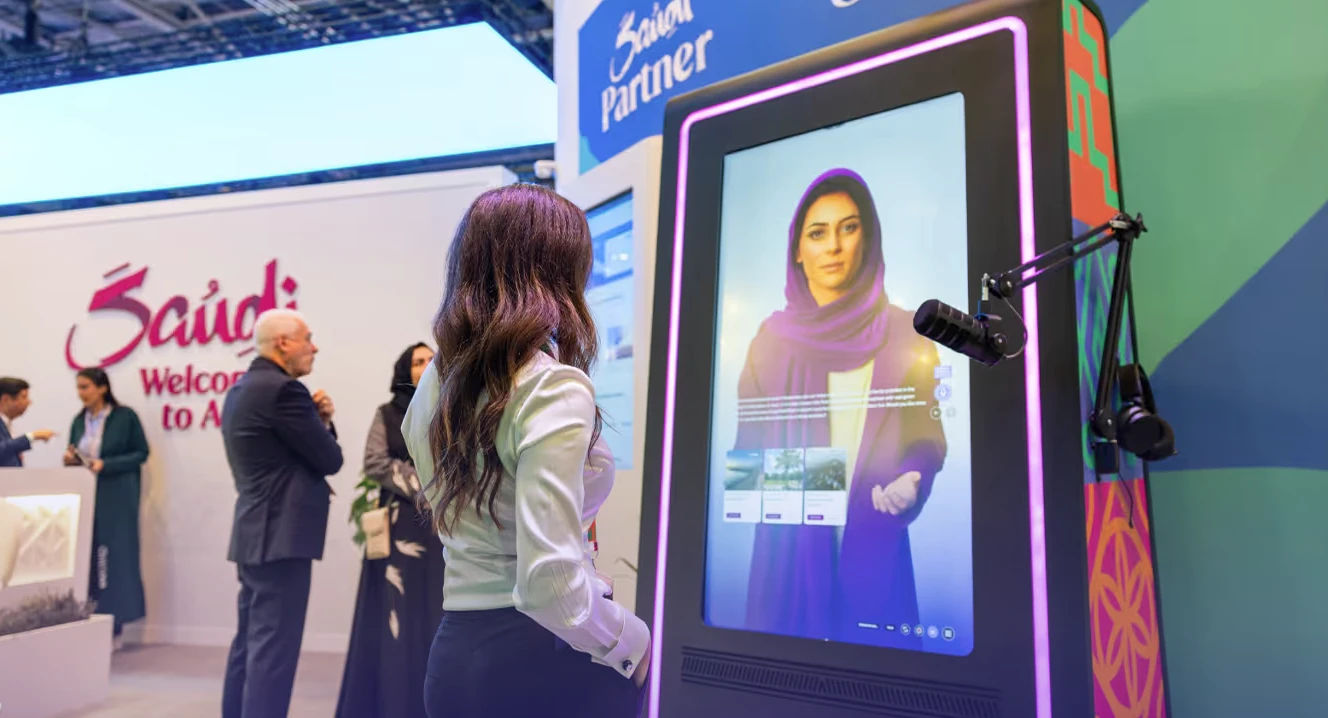
- Saudi Arabia is leveraging AI to enhance the tourism experience as it aims for 150 million annual visits by 2030.
- The Nusuk AI assistant, used for religious tourism, supports over 180 languages and has assisted more than 2 million users to navigate and reduce uncertainty during pilgrimages.
RIYADH: As the world marks World Tourism Day on Sept. 27, Saudi Arabia is increasingly turning to artificial intelligence to reshape the visitor journey, from a traveler's first search for a destination to a pilgrim's final lap around the Kaaba.
The push comes as the Kingdom expands its tourism sector and works toward its target of 150 million annual visits by 2030.
AI-powered tools are increasingly being deployed across the visitor journey, from planning and booking to navigating destinations and managing crowds behind the scenes.
The Ministry of Hajj and Umrah has said its Nusuk AI assistant, which supports more than 180 languages, has benefited more than 2 million users.
The Ministry of Tourism signed a memorandum of understanding with Accenture Saudi Arabia at the LEAP 2026 conference to develop AI-powered solutions, advance research in responsible AI and build smart tourism destinations.
Those shaping the sector say the question is no longer whether the technology works, but whether it can scale without losing the trust and human warmth that make a trip worth remembering.
Invisible help
Religious tourism offers the clearest test. Hajj and Umrah draw millions of people from different countries and languages into a few crowded places, where small gaps in information can quickly become stressful.
“Its value lies less in the technology itself than in what it removes: uncertainty, language barriers and the need to search for help in an unfamiliar environment,” Hana Al-Abiad, senior tourism and culture analyst at research firm Infomineo, told Arab News of Nusuk AI.
The ministry's Digital Mutawwif uses spatial AI to guide pilgrims along Tawaf and Sa'i routes and automatically count their laps. Out of sight, algorithms analyze crowd dynamics, peak periods and bus routes.
“One layer of technology helps the individual feel more informed and in control, while another works quietly in the background to make the wider journey flow more smoothly,” Al-Abiad said.
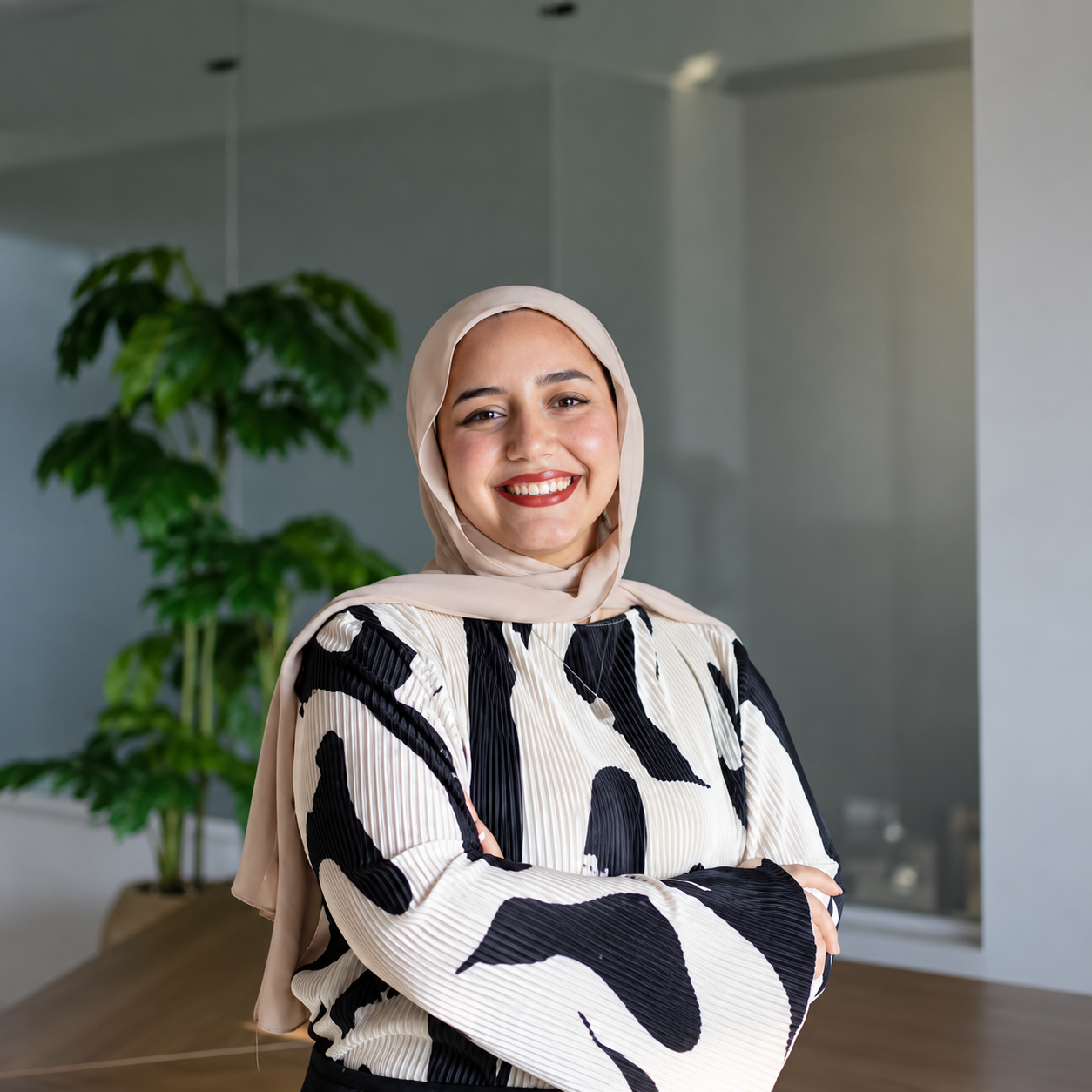
She pointed to AlUla as another example, where she said smart sensors can monitor visitor movement at heritage sites to support capacity management.
The analyst said this can help the destination balance growth against protecting archaeological sites that “cannot absorb unlimited traffic.”
New front door
For leisure travelers, the change begins long before the flight. The Saudi Tourism Authority's AI-powered digital human SARA, unveiled in 2024, answers visitors' questions and offers personalized recommendations on destinations and experiences.
Muzzammil Ahussain, CEO of Almosafer Travel & Tourism Co., said AI has moved the moment of decision.
“People used to arrive at a travel platform already knowing roughly what they wanted,” he told Arab News. “Now a meaningful share of travelers form their entire picture of Saudi Arabia before they ever touch a booking site.”
He added: “Our destination problem was never quality; it was awareness.”
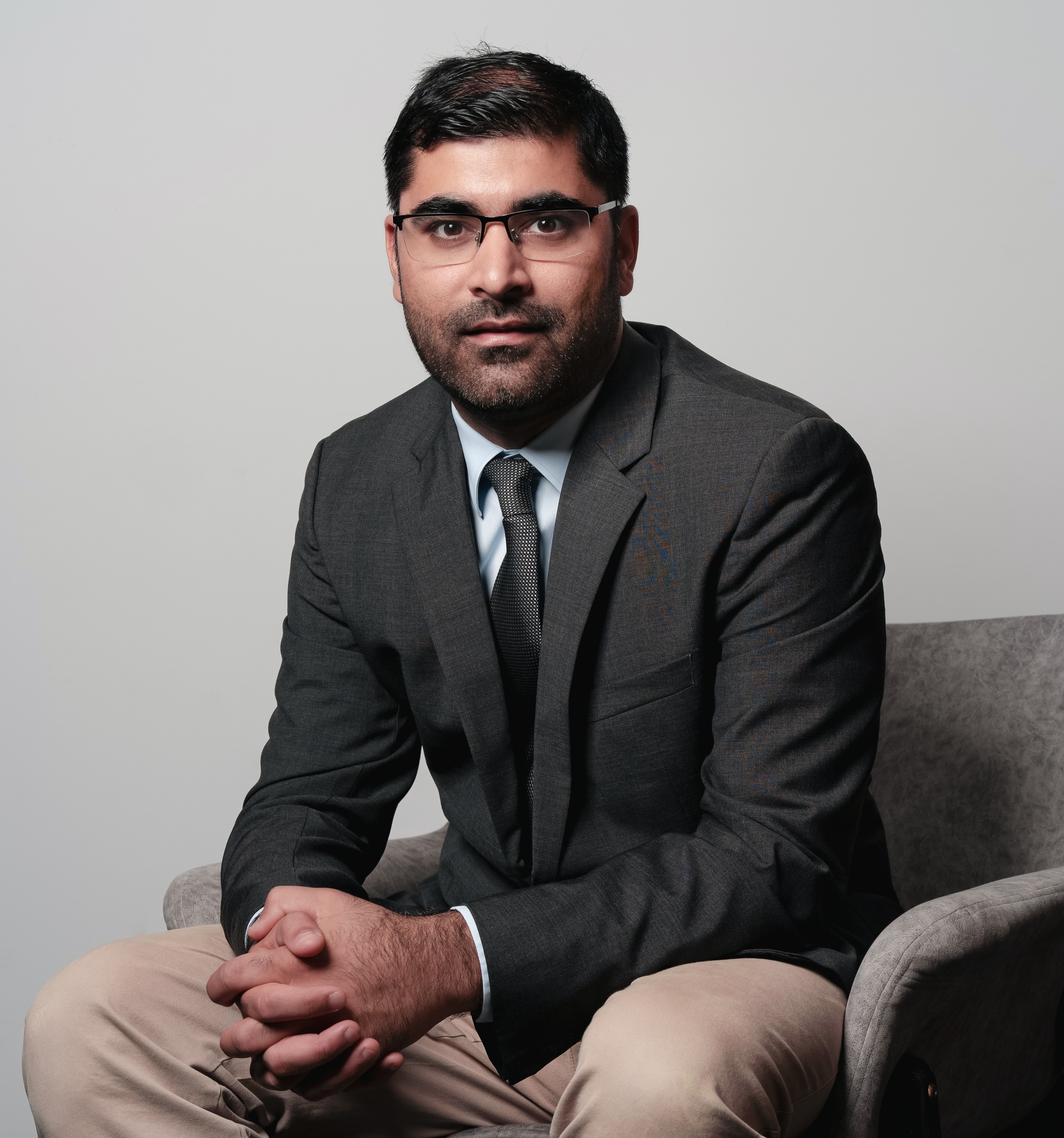
Ahussain said conversational tools can surface places visitors might otherwise never think to search for, such as the Edge of the World or Red Sea dive sites. He said planning has also become a loop rather than a line, with travelers reworking trips around events such as Riyadh Season or a Formula 1 weekend.
Almosafer has rebuilt its own app so users describe what they want in plain Arabic or English instead of ticking filters.
“Saudi Arabia is not a generic destination, and the systems that win here will be trained on local context and language,” Ahussain said. “Most travel technology is English-first with Arabic translated afterwards; we're building the other way round.”
He said WhatsApp, where AI agents work alongside human staff, now accounts for up to 10 percent of Almosafer's daily bookings.
After landing
Yet the biggest gap, Ahussain said, opens once visitors arrive. Newcomers still face questions no brochure answers well.
“‘What's open right now?’ ‘How do I get to Diriyah at 9 p.m.?’ ‘What happens during prayer times?’” he said.
With human guides unable to scale to the numbers the Kingdom is chasing, he said that “AI is the only realistic way to give every visitor something close to a knowledgeable local companion, in their own language, at their own pace.”
Within three to five years, he said, a meaningful share of trips will be assembled and booked by AI agents acting on travelers' instructions, a change he said will fundamentally reshape the industry's economics.
Pointing to the Kingdom's designation of 2026 as the Year of Artificial Intelligence and the growing deployment of AI across tourism, he said Saudi Arabia has an opportunity to design its tourism system around the technology from the start.
“Most mature destinations will spend the next decade retrofitting,” he said. “We get to build it correctly the first time.”
Still, he said the most meaningful journeys, like a multigenerational family holiday or a first Umrah, need a person.
“Nobody wants an algorithm holding that,” he said. “The businesses that get this right won't be the ones with the most automation. They'll be the ones who used automation to free their best people up for the moments that actually matter to the traveler.”
Clean slate
For Mateo Labaki, a partner in Kearney Middle East and Africa's public sector practice, Saudi Arabia's biggest advantage is timing.
“The Kingdom has the opportunity to embed AI within the very foundations of its fast-growing tourism sector, alongside the development of new destinations, hotels, and offerings, without being constrained by legacy technology and commercial models built up over decades,” he told Arab News.
He said the technology can support visitors throughout their stay, suggesting alternatives when plans change and bringing heritage sites to life through live translation and AI-powered storytelling.
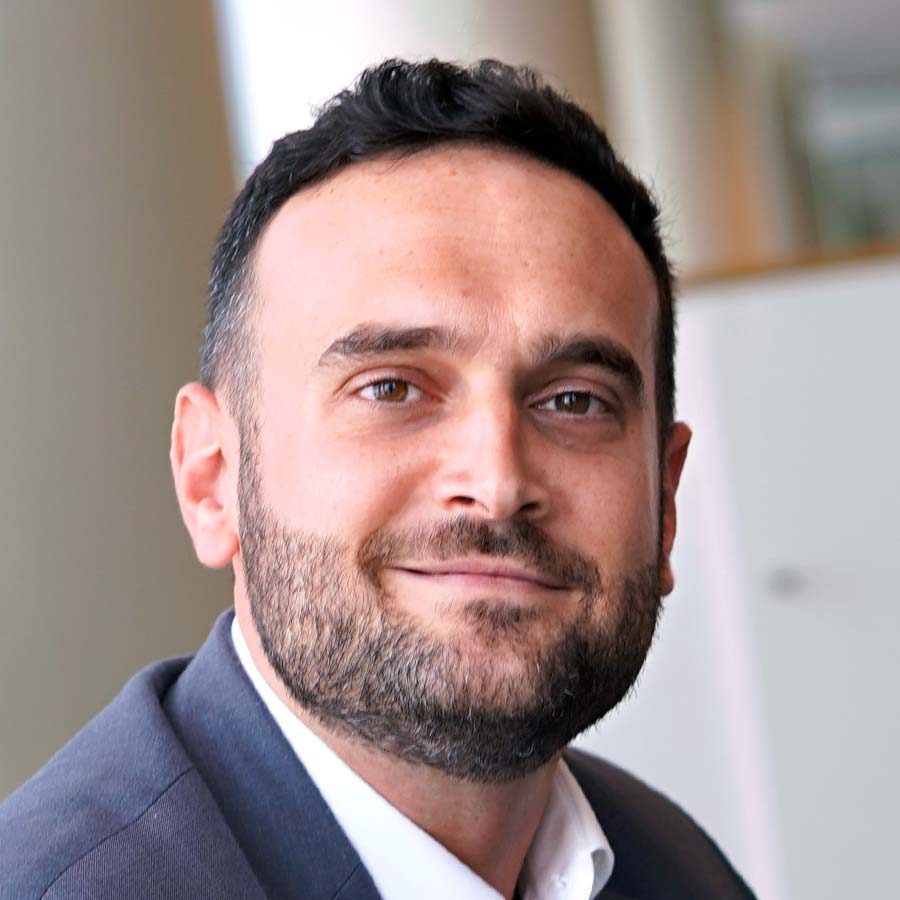
Local businesses, he noted, will need to keep their information accurate and structured so AI platforms can represent them properly, but he warned the technology should serve the culture, not replace it.
The goal, Labaki said, should be to use AI “to enhance Saudi Arabia's rich human and cultural experience rather than flattening or, worse, replacing it.”
AlAbiad said the real measure of success may be what visitors never notice.
“The best technology is not necessarily the most noticeable,” she said. “It is the technology that removes small points of friction before they become part of the traveler's memory of the trip.”