- Saudi minister calls for addressing root causes of conflicts, condemns Houthi escalation and reaffirms support for Yemen’s legitimate government
RIYADH: Saudi Arabia’s Vice Foreign Minister Waleed Elkhereiji took part in a session titled “The Implications of a Transformative Regional Conflict” at the 22nd IISS Manama Dialogue in Bahrain on Saturday.
Elkhereiji stressed the need to contain crises and strengthen security and stability amid widening regional conflicts, mounting humanitarian suffering and growing repercussions for maritime security, energy supplies and the global economy.
He emphasized the importance of protecting states and their peoples and pursuing settlements that address the root causes of conflicts and prevent their recurrence, reported the Saudi Press Agency.
Elkhereiji said the Kingdom’s policy was based on the conviction that its security is closely linked to regional stability and that development and prosperity require sustainable peace.
The minister said Saudi Arabia combined efforts to strengthen its capabilities to protect its security and sovereignty under international law with intensified diplomatic efforts to address crises, guided by respect for state sovereignty, good neighborliness and non-interference in internal affairs.
“The Kingdom continues its diplomatic efforts, in coordination with its brothers and partners, to de-escalate tensions and resolve disputes through peaceful means, safeguarding regional security and stability,” Elkhereiji said.
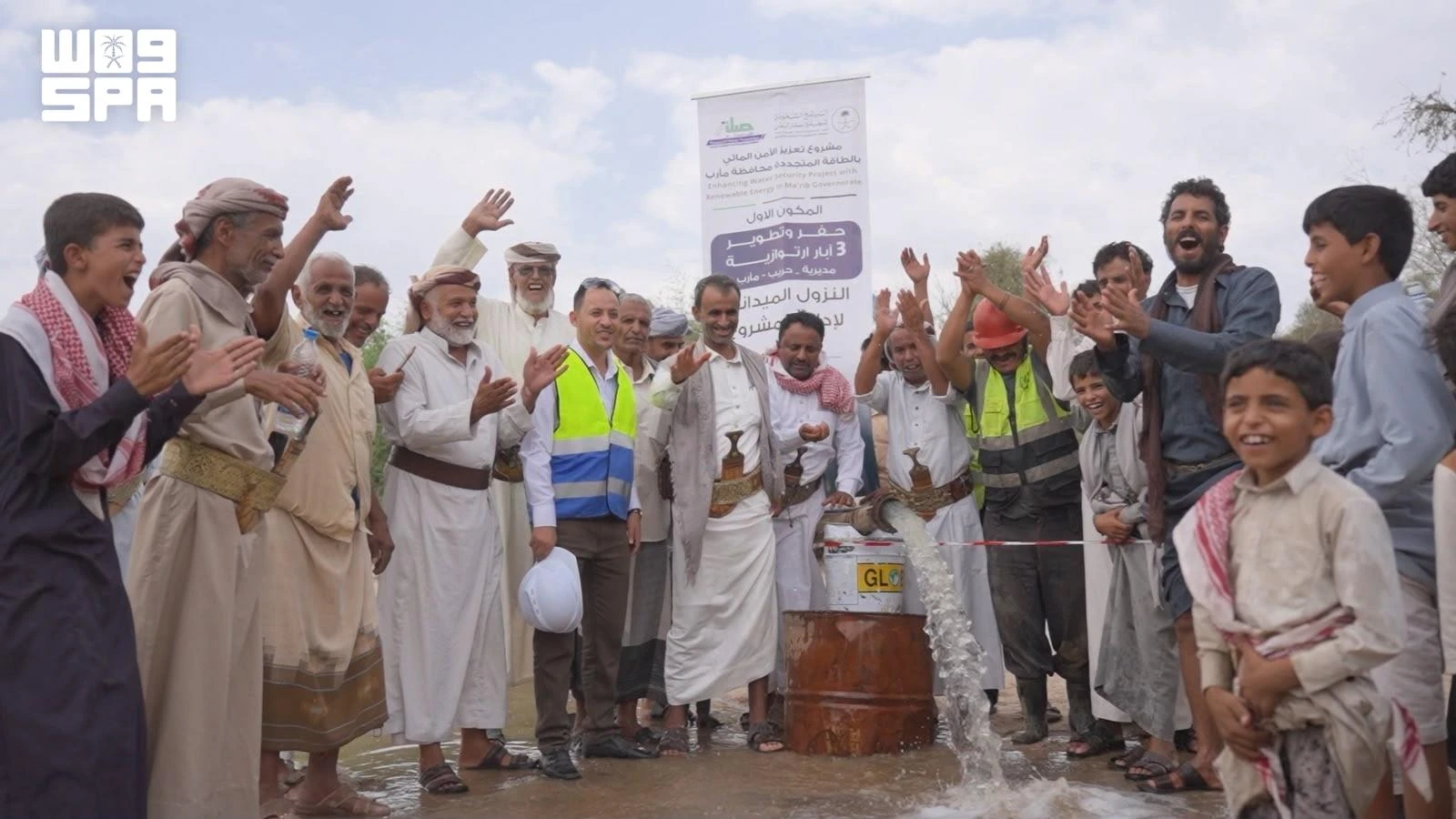
He reaffirmed the Kingdom’s support for Yemen’s legitimate government and efforts to reach a comprehensive political settlement that preserves the country’s unity and security and condemned the continued escalation by the Houthi militias against Yemen and its people, as well as the Kingdom, particularly attacks on civilian facilities and threats to maritime security. He also denounced efforts to undermine de-escalation initiatives and diplomatic efforts to resolve the Yemeni crisis, widen the conflict and derail efforts to restore regional security and stability.
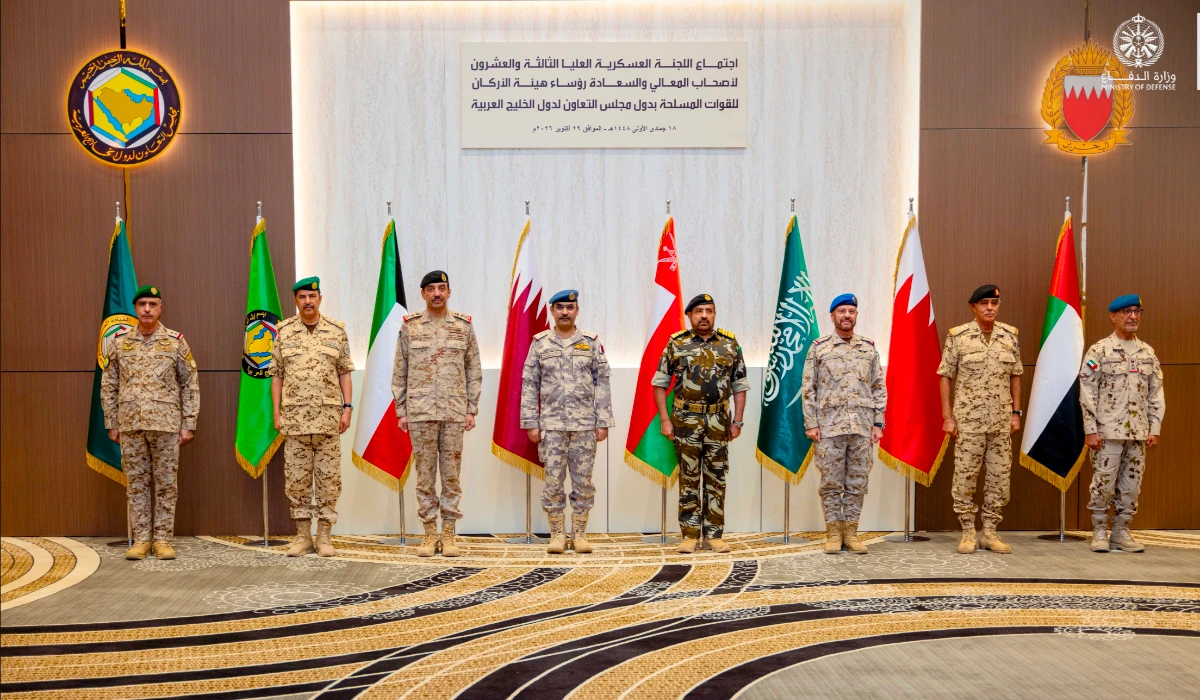
Elkhereiji said the challenges facing the region highlighted the importance of strengthening countries’ resilience to crises. The Kingdom was therefore working to develop its defense capabilities, protect infrastructure and vital facilities, enhance cybersecurity and ensure the continuity of essential services, while strengthening Gulf coordination and expanding defense partnerships.
In conclusion, Elkhereiji said the Kingdom, under its leadership’s guidance, was working with its partners to establish regional security based on stable states and just political settlements, allowing the region’s peoples to enjoy security, development and prosperity.
On the sidelines of the dialogue, Elkhereiji met with EU Special Representative for the Gulf Region Luigi Di Maio. The two discussed the latest regional and international developments, efforts to address them and issues of mutual interest.
Elkhereiji also held talks with Qatar’s Minister of State at the Ministry of Foreign Affairs Mohammed Al-Khulaifi. They reviewed the strong ties between the two countries, ways to strengthen cooperation across various fields and issues of mutual interest.