- Saudi astronomers get closer look at Rosette Nebula through Noor Astronomy lens
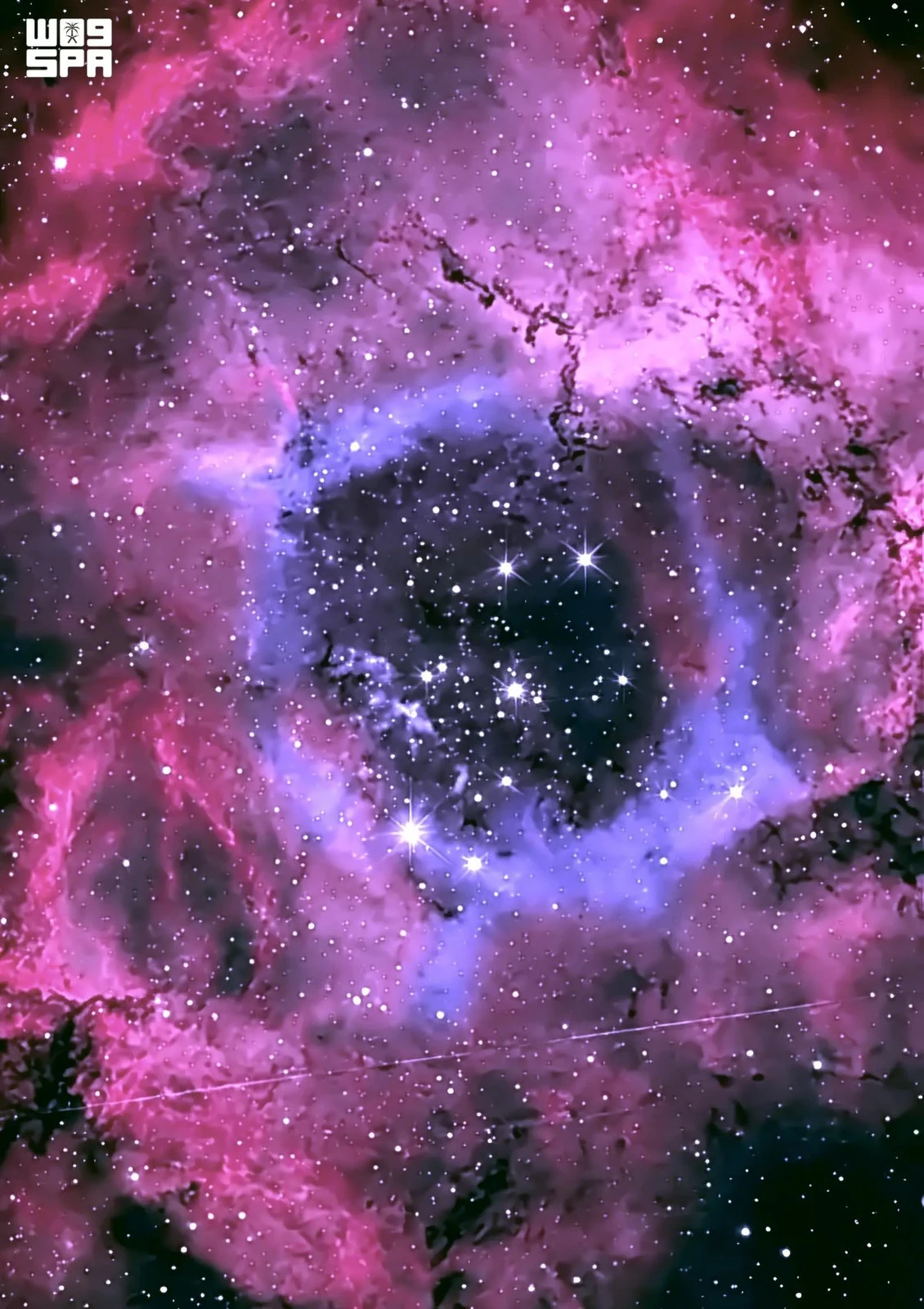
RIYADH: Saudi Arabia’s Noor Astronomy Observatory in Qassim has captured a new image of the Rosette Nebula, revealing vast clouds of glowing gas and dust illuminated by a cluster of young stars, the Saudi Press Agency reported on Sunday.
The image showcases the Rosette Nebula, a vast star-forming cloud of gas and dust located thousands of light-years from Earth, in shades of pink, purple and blue surrounding the open star cluster NGC 2244. The cluster’s newly formed stars shape the surrounding cosmic environment through powerful radiation and stellar winds, SPA reported.
Issa Al-Ghafili, head of Noor Astronomy, said such observations support efforts to promote astronomical knowledge and encourage public interest in exploring celestial phenomena.
He said astrophotography helps make complex astronomical concepts more accessible by revealing details that cannot be seen with the naked eye, while also stimulating scientific curiosity and strengthening scientific literacy.
The latest observation reflects Noor Astronomy’s growing role in documenting celestial events and deep-sky objects visible from Saudi Arabia.
Based in Qassim and founded in 2019, the non-profit association works to spread astronomy and space science knowledge, support scientific research, advance astrophotography and promote public stargazing activities in line with Saudi Vision 2030.
Over the past year, the association has regularly provided guidance on major astronomical events visible across the Kingdom.
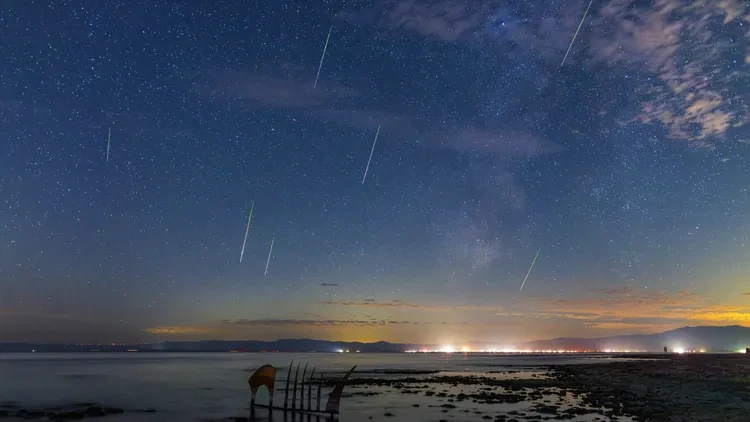
Earlier this month, Noor Astronomy issued viewing advice for the annual Orionid meteor shower, which occurs when Earth passes through debris left by Halley’s Comet. The group encouraged observers to seek dark locations away from artificial light to view the celestial display at its peak.
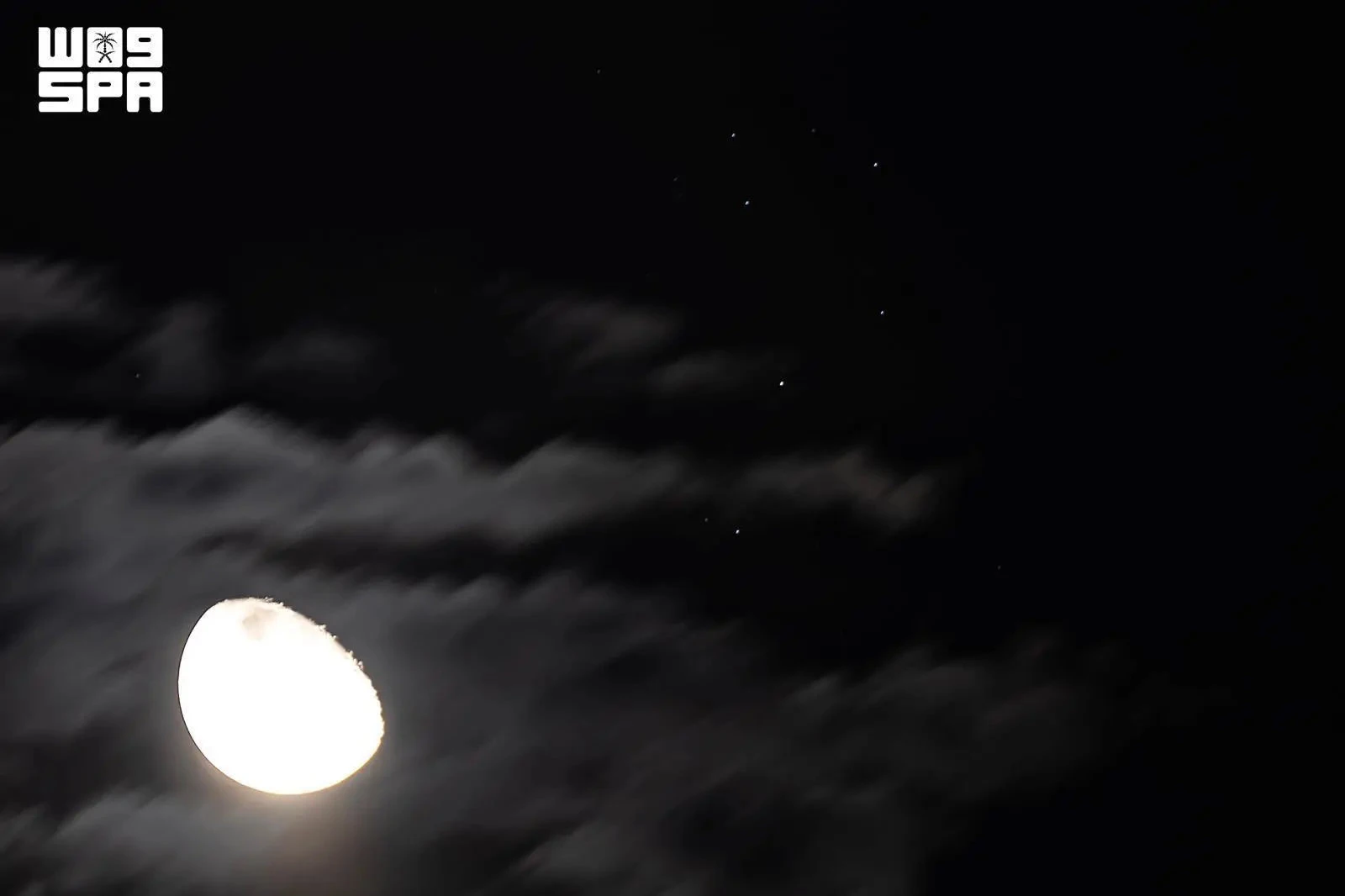
In September, the association tracked a rare daytime occultation of Venus by the Moon across parts of Saudi Arabia and the wider Arab region, while in August it highlighted favorable viewing conditions for the annual Perseid meteor shower.
The organization has also helped explain other astronomical phenomena visible from the Kingdom, including the conjunction of Venus and Regulus, Earth reaching its annual aphelion, the appearance of Comet C/2025 A6 Lemmon and the observation of large sunspots associated with moderate solar activity.
Noor Astronomy has increasingly used astrophotography to document deep-sky objects and raise public awareness of space science, making celestial observations more accessible to astronomy enthusiasts across Saudi Arabia.