- Civilians killed include 15 children and three women, who have died since Iran-backed group resumed attacks last month.
- Rights Chief Volker Turk says Houthis targeted sites for Yemenis fleeing violence on three occasions.
LONDON: At least 125 civilians have been killed or wounded in Yemen since Houthi militants launched a fresh offensive last month, the UN Human Rights Chief Volker Turk said on Thursday.
His office had documented the killings of 32 of those civilians, including 15 children and three women, since the Iran-backed group resumed attacks at the start of August.
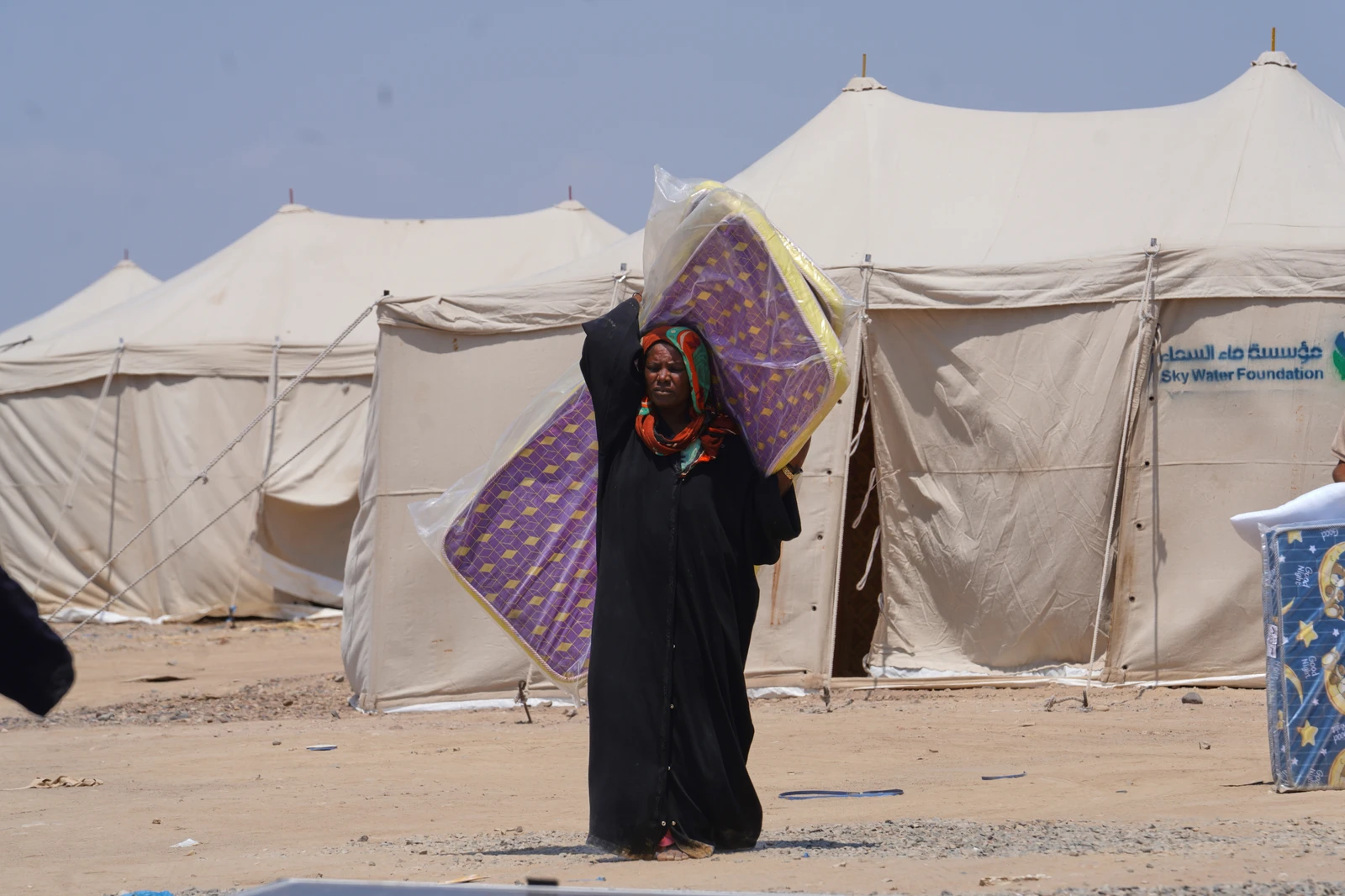
The Houthis have also carried out three separate attacks on camps in Marib province containing people fleeing the fighting, the statement said. The sites hosting internally displaced people were hit on Aug. 7, Sept. 7 and Sept. 9.
About 125,000 people have been displaced by the renewed violence.
“As if the people of Yemen haven’t already endured enough misery, civilians are now bearing the brunt of this latest upsurge in fighting,” Turk said. “Many are being forced to flee for their lives.
“Civilians must never be targeted, and their protection must be the overriding priority.”
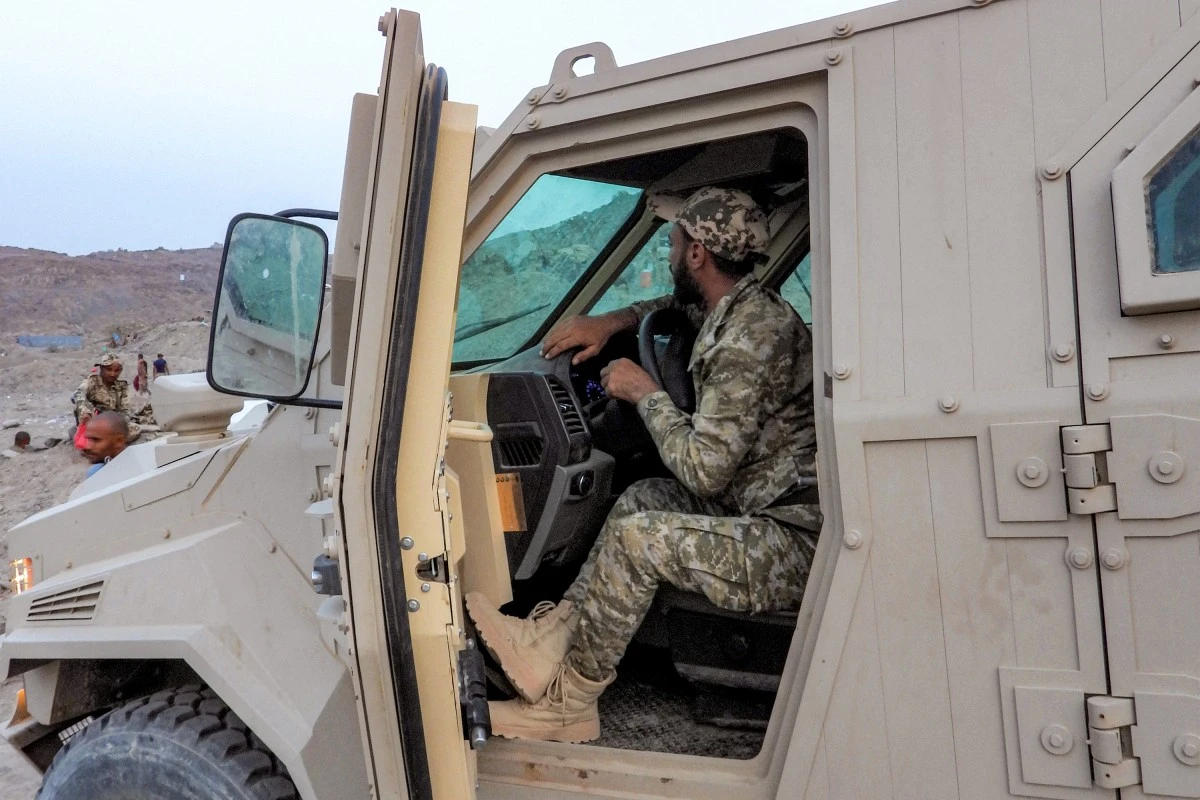
The Houthis shattered a four-year truce in Yemen’s civil war when they attacked forces loyal to the internationally recognized government in early August.
In recent weeks they launched an offensive to retake the entire Red Sea coast, including the land and islands around the Bab Al-Mandab Strait — a vital maritime choke point for shipping entering and leaving the Red Sea.
The group has also attacked vessels and launched missile and drone strikes on civilian targets across the border in Saudi Arabia, which supports the Yemeni government.
The Houthi offensive has damaged Yemen’s fragile civilian infrastructure and limited civilian access to essential services, the UN said.
Turk also called for the immediate release of 73 UN staff members “arbitrarily detained” by the Houthis.
“Their ongoing detention, wholly outside the protection of the law, is intolerable and unacceptable,” he said. “I fear even further for their safety amid this renewed fighting.”
The Houthis sparked Yemen’s civil war when they seized the capital Sanaa in 2014, forcing the government to flee.
The group took control of much of the north of the country, while an international military coalition stepped in to support government forces and their allies based in the south.
The Houthis’ seizure of territory along the Bab Al-Mandab has raised fears that international shipping using the waterway will face similar risks to those in the Strait of Hormuz, which has become the center of the war between Iran and the US.