- Abdul Jabbar Ghazi Arziq has been tagged as a member of the IRGC-backed Liwa al-Quds militia
- Grave crimes are not erased by political changes, says prosecution official
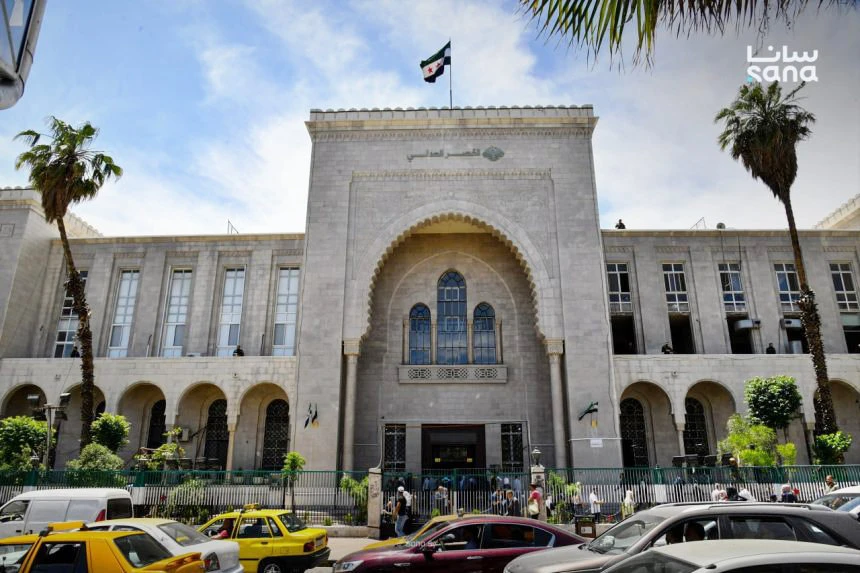
DAMASCUS: A Syrian court has sentenced a man affiliated with the Iran-linked Liwa al-Quds militia to life imprisonment after convicting him of joining an armed group accused of involvement in war crimes and crimes against humanity, state news agency SANA reported on Wednesday.
The court found Abdul Jabbar Ghazi Arziq guilty of joining an armed group affiliated with Liwa al-Quds, a militia linked to Iran's Islamic Revolutionary Guard Corps (IRGC), according to the report.
The ruling said the group sought to incite civil war and sectarian conflict and seize cities. The court classified the acts under relevant legal provisions as war crimes and crimes against humanity because of their connection to what it described as systematic and widespread crimes committed under Syria's deposed regime.
Radif Mustafa, director of the Accountability and Prosecution Department at Syria's National Commission for Transitional Justice, said the seriousness of the offenses and the threat they posed to civilians and social stability were among the factors behind the life sentence.
The court rejected mitigating circumstances for Arziq and ruled that he would not be eligible for either a general or special amnesty, SANA reported.
Mustafa said the verdict demonstrated that serious crimes could not be erased by political developments or changing circumstances, adding that accountability must be based on evidence and judicial procedures to ensure perpetrators are held responsible and victims obtain justice.
He said the Accountability and Prosecution Department continued to pursue cases involving serious violations, while collecting information and evidence in line with legal procedures.
The department called on anyone with relevant information or evidence to submit it through official channels to support efforts aimed at uncovering the truth and ensuring accountability, while protecting the confidentiality of information and the safety of witnesses.
Mustafa said justice required not only court rulings but also continued efforts to establish the truth, hold perpetrators accountable, safeguard victims' rights and prevent a recurrence of abuses committed during decades of rule under the former government.
The case is among the investigations being pursued as Syria’s transitional authorities seek to document abuses committed during the war that began in 2011 with protests against Assad’s government and evolved into a complex conflict involving government forces, opposition groups, extremist organizations and foreign powers.and establish responsibility for crimes against civilians.
Assad fled Syria on Dec. 8, 2024, ending more than five decades of rule by his family. The UN described his fall as an opportunity for Syrians to pursue justice, reconciliation and a new political future.