- Oman held its first auction of Islamic treasury bills, attracting bids worth 61 million Omani rials ($158.6 million).
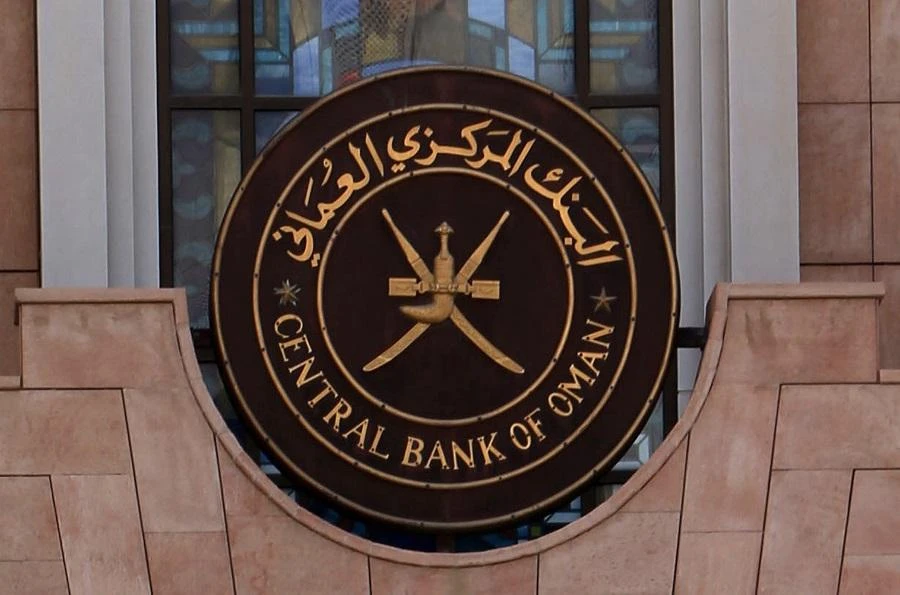
- The Central Bank of Oman allocated 38 million rials of bills with a maturity of 91 days at an average profit rate of 4.11 percent.
- This auction marks Oman's entry into the Islamic financial market, aligning with the practices of its Gulf neighbors like Bahrain and the UAE.
RIYADH: Oman has held its first auction of Islamic treasury bills, drawing bids worth 61 million Omani rials ($158.6 million).
The Central Bank of Oman allocated about 38 million rials of bills, all for a 91-day maturity.
The average accepted profit rate was 4.11 percent and the highest accepted rate was 4.15 percent. The bills will be issued on Nov. 25.
Oman is joining a market its Gulf neighbors have developed for years.
The Central Bank of Bahrain has issued short-term Ijara sukuk with 182-day maturities every month since 2005, and the UAE Ministry of Finance launched a seven-year Islamic treasury sukuk worth $15 million in February to extend its dirham yield curve.
“The launch of Islamic government treasury bills represents an important turning point in the development of the Islamic financial market in the Sultanate of Oman,” the central bank said in its statement carried by the Oman News Agency.
Broader range of short-term tools
The central bank said the bills expand Shariah-compliant short-term investment instruments available to Islamic banking institutions.
They also diversify the government’s short-term financing tools.
Maturities and participation
The bills will be offered in maturities of 28, 91, 182 and 364 days.
They will be sold through electronic auctions in which licensed banks operating in Oman participate directly.
The bank said other investors may be able to take part through those banks.
Liquidity management
The instrument gives licensed banks an additional option for investing surplus short-term liquidity.
The central bank said this should improve liquidity management in the banking sector and support the development and growth of the local money market.
Issuance terms and policy goals
The bills are issued under an issuance program and terms and conditions published on the central bank's official website.
The bank said the initiative is part of its continuing efforts to strengthen the Islamic financial market and support the goals of monetary and fiscal policy.