- Saudi fashion landscape ‘incredibly stimulating’ says design school’s education director
RIYADH: The renowned Italian fashion and design school Istituto Marangoni has been a cut above the rest for nearly a century. Its branch in Riyadh has just marked its first anniversary.
Anna Zinola, school and education director of Istituto Marangoni Riyadh, told Arab News: “I would love Istituto Marangoni Riyadh to be known for exactly this: a place to study fashion, and a place where fashion is happening on the ground. I think what makes me proudest is when something very large becomes very personal.”
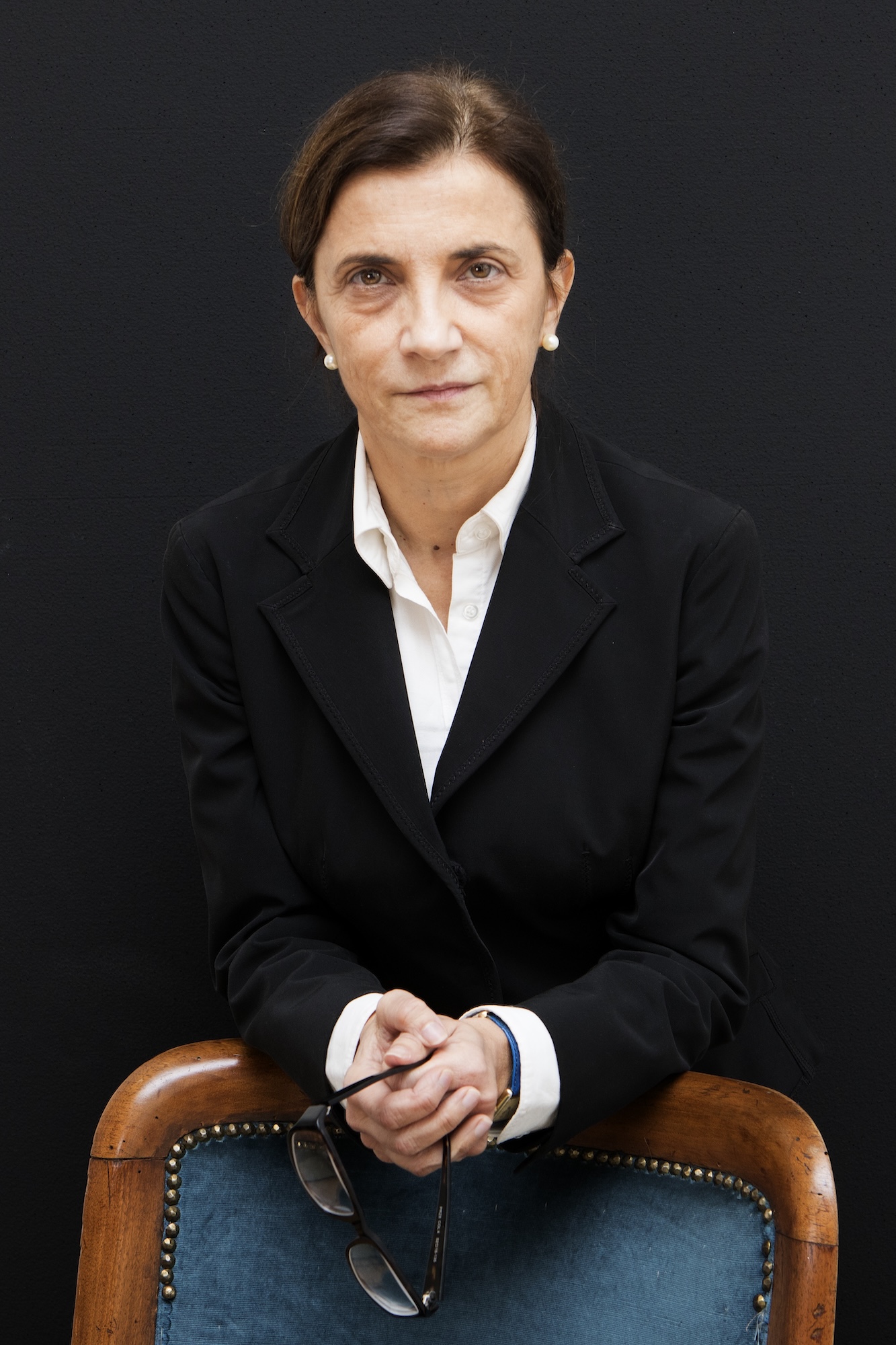
Istituto Marangoni was founded in Milan in 1935, and has educated more than 45,000 students since. Currently, around 5,000 students from 108 countries study across its international schools. “Our Riyadh students immediately become part of that much larger creative network,” Zinola said. The Riyadh intake includes both male and female designers.
“That was a fundamental part of our approach,” said Zinola. “Fashion thrives when different cultures, identities, genders, and perspectives come together in dialogue.”
One of the “biggest takeaways” from the school’s first year in the Saudi capital, she said, “has been that a creative school has to be porous. Being based in the King Abdullah Financial District places us in one of the most dynamic parts of Riyadh, surrounded by business, architecture, hospitality and a constantly changing urban environment. It’s a wonderful, live environment.
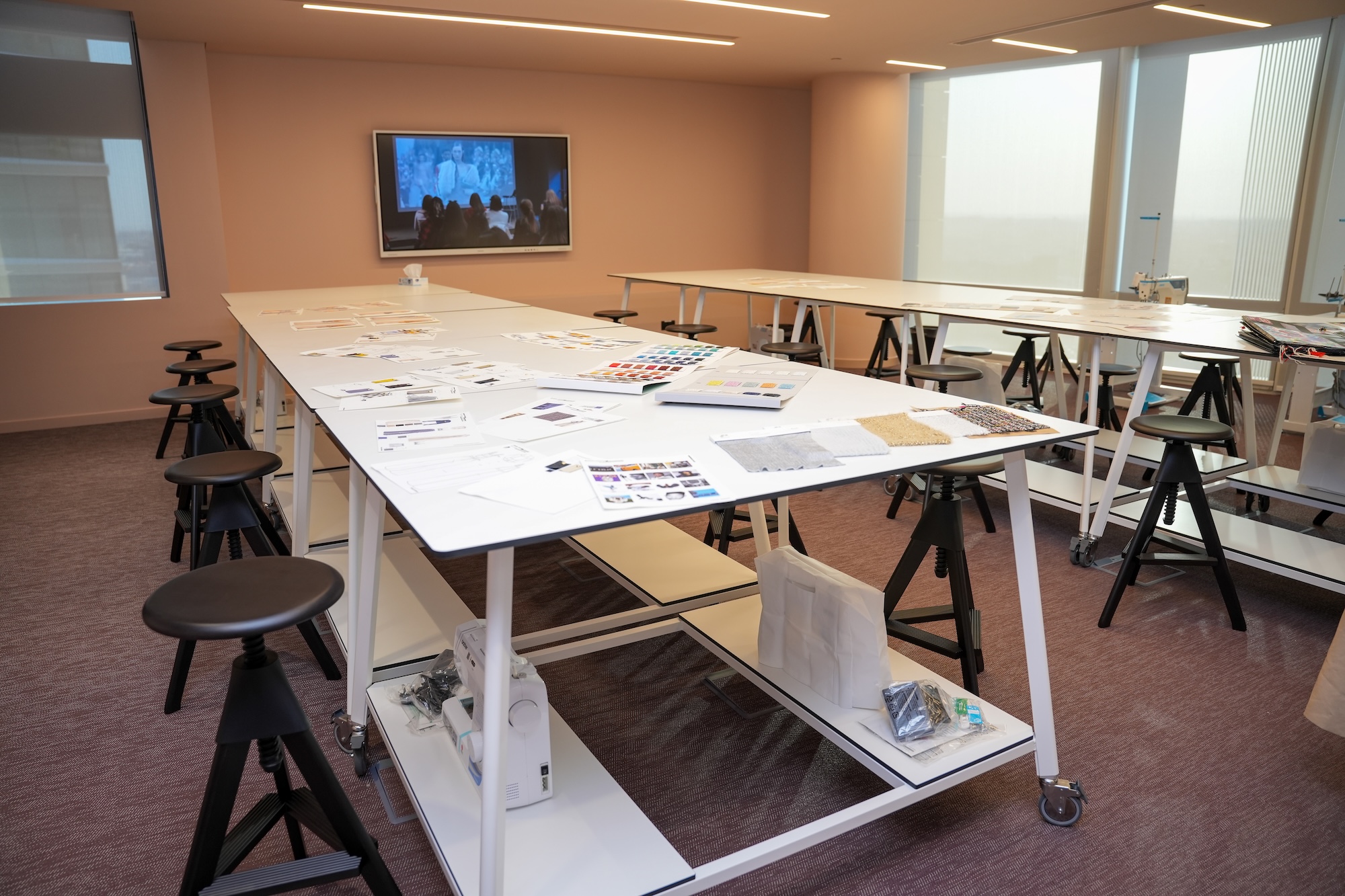
“At the same time, creativity needs room to breathe. Students have to be able to experiment, make mistakes, change direction and develop an individual point of view,” she continued. “Our role is to create enough structure for them to develop real professional discipline, without making the environment feel overly prescribed.”
Zinola has spent years studying market psychology, and has found her time in Saudi Arabia a fascinating case study.
“I’m struck by the level of sophistication, and the speed at which tastes evolve. Saudi consumers are extremely internationally aware. They understand global luxury codes, but that does not mean they simply want an imported version of runway looks from Milan, Paris or London,” she said.
“People are looking for things that feel culturally relevant, personal and high-quality. You are looking at an unusually young, informed and fast-moving consumer environment where more than 70 percent of the population is under 35.”
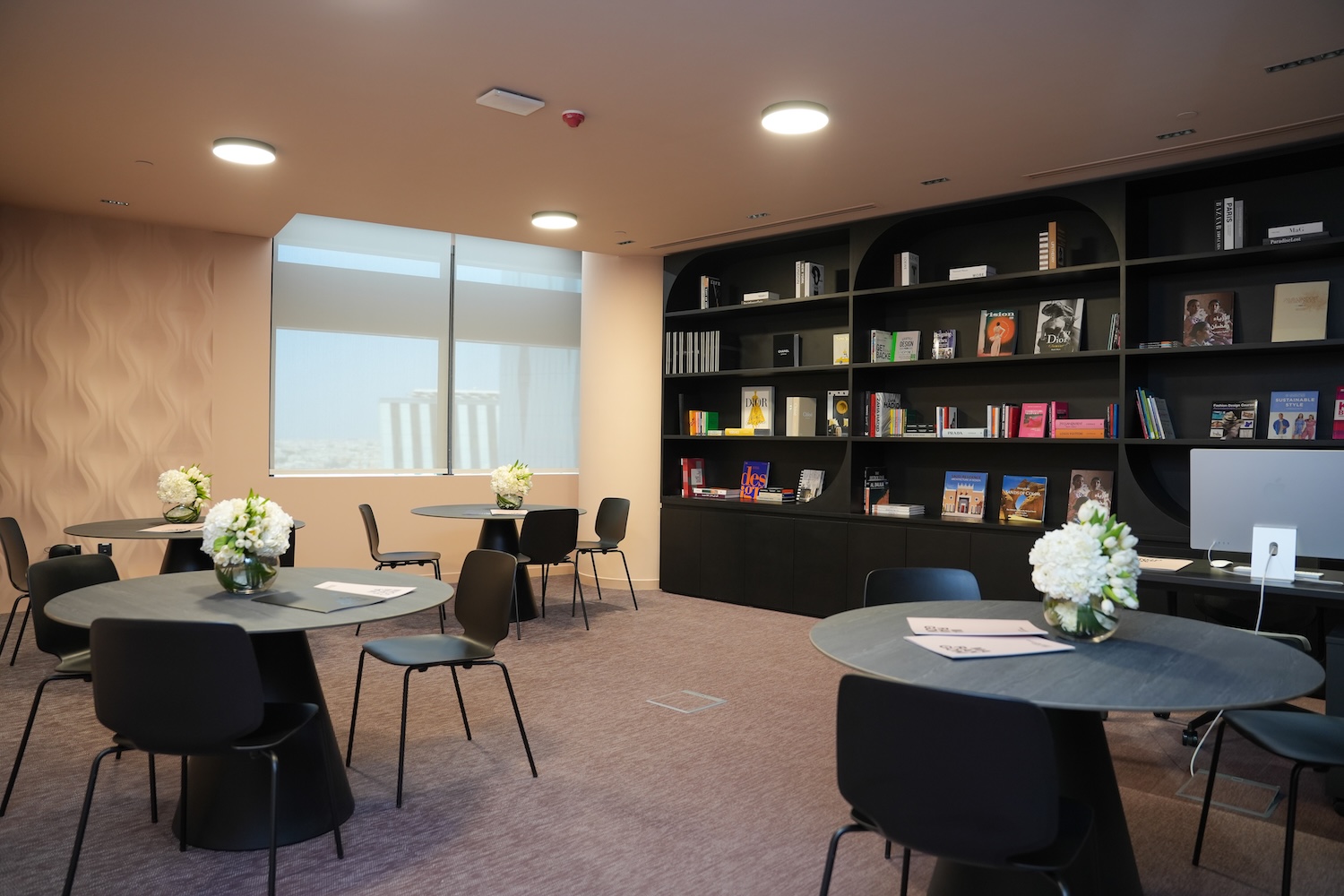
Her message to anyone joining the next cohort is simple.
“Come curious. You don’t need to arrive with your entire career mapped out. Fashion looks glamorous from the outside, but the people who build meaningful careers in it are usually extremely serious about their craft,” she said. “And bring your own references with you. We don’t want to produce students who all think or design in the same way.”
The school isn’t just limiting its activities to the Riyadh campus. It recently ran a masterclass in Jeddah.
“While we are based in Riyadh, Istituto Marangoni is here for all of Saudi Arabia and the multitude of interesting creative communities across the Kingdom,” Zinola said. The school also runs monthly talks — Tuesdays at IM — that are open to the public.
“Never underestimate how much fashion conversations can happen over coffee,” said Zinola. “Some of the most interesting connections are not planned.”
Over the course of the institute’s first year, Zinola has seen plenty of potential in the Kingdom’s style scene.
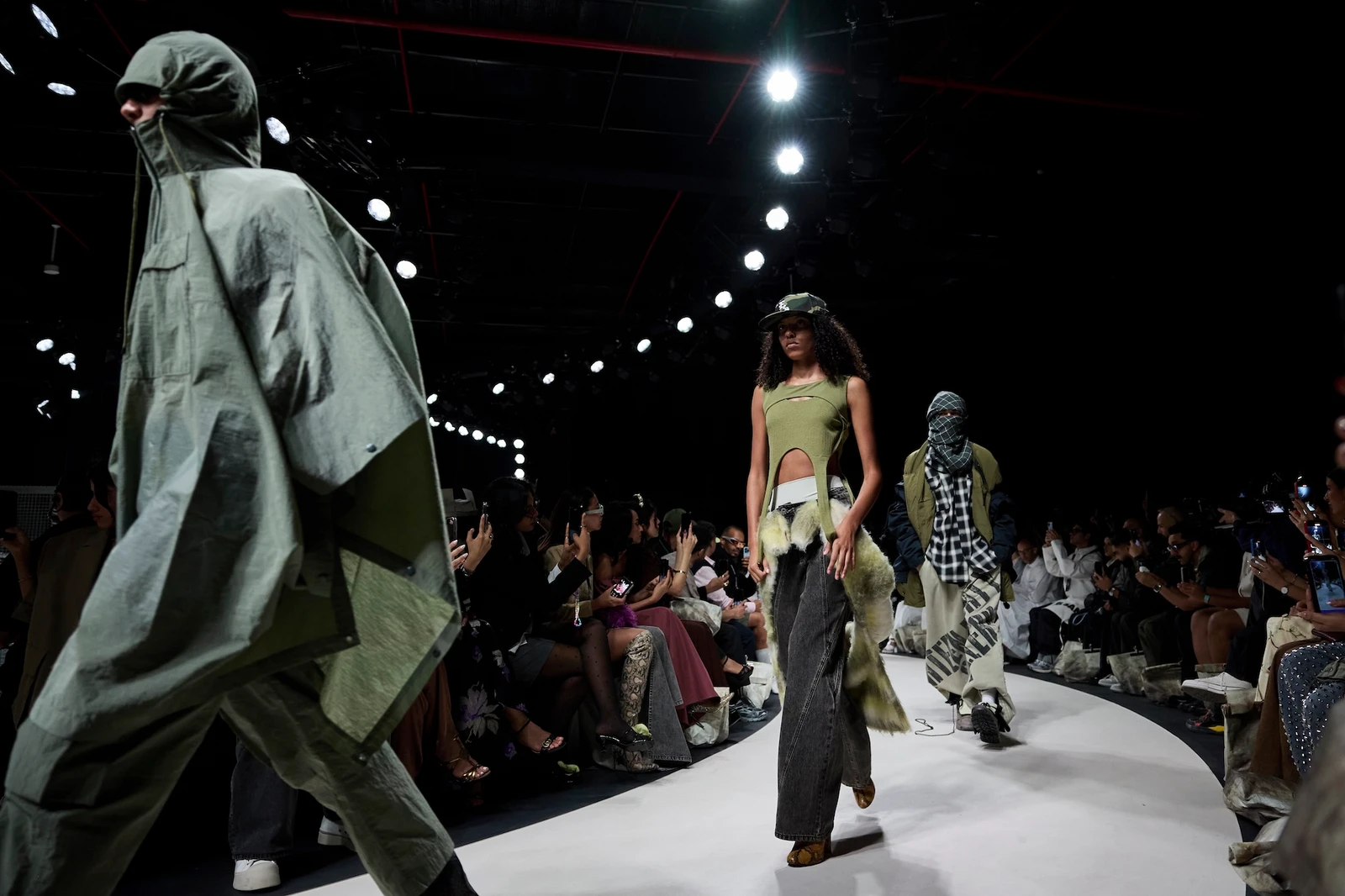
“The Saudi fashion landscape is incredibly rich and stimulating, and there are many brands I could name that are setting a strong benchmark for commercial success,” she said, citing Abadia “for the way it balances Saudi heritage with an international sensibility” and 1886 “for defining a distinctive streetwear language that resonates with both local and international audiences.”
And she believes the next year — for both the institute and the local fashion scene — will be an exciting one.
“We are already seeing a move away from the idea that Saudi fashion needs one recognizable visual language,” she said. “There are so many different cultural references within the Kingdom, and our students are very curious about what comes after the beautiful image.
“By (the end of) 2027, I also expect Riyadh to have stronger independent brands, more specialized creative professions, an increasingly sophisticated retail culture, and more experimentation in areas such as menswear, modest fashion and digital communication,” she continued. “And hopefully there will also be a few things none of us can predict yet.”