- Santiago Pena’s resignation is on hold as Congress moves forward with impeachment proceedings
- Protests erupted across Paraguay, with demonstrators demanding the return of frozen deposits and clashing with police
ASUNCION, Paraguay: Paraguayan President Santiago Pena will face an impeachment trial after a financial crisis that led the US-allied leader to resign Thursday, after a banking takeover blocked almost half the population from accessing their money.
Congress put Pena’s resignation on hold while the impeachment process move forward, which means he will remain in office provisionally.
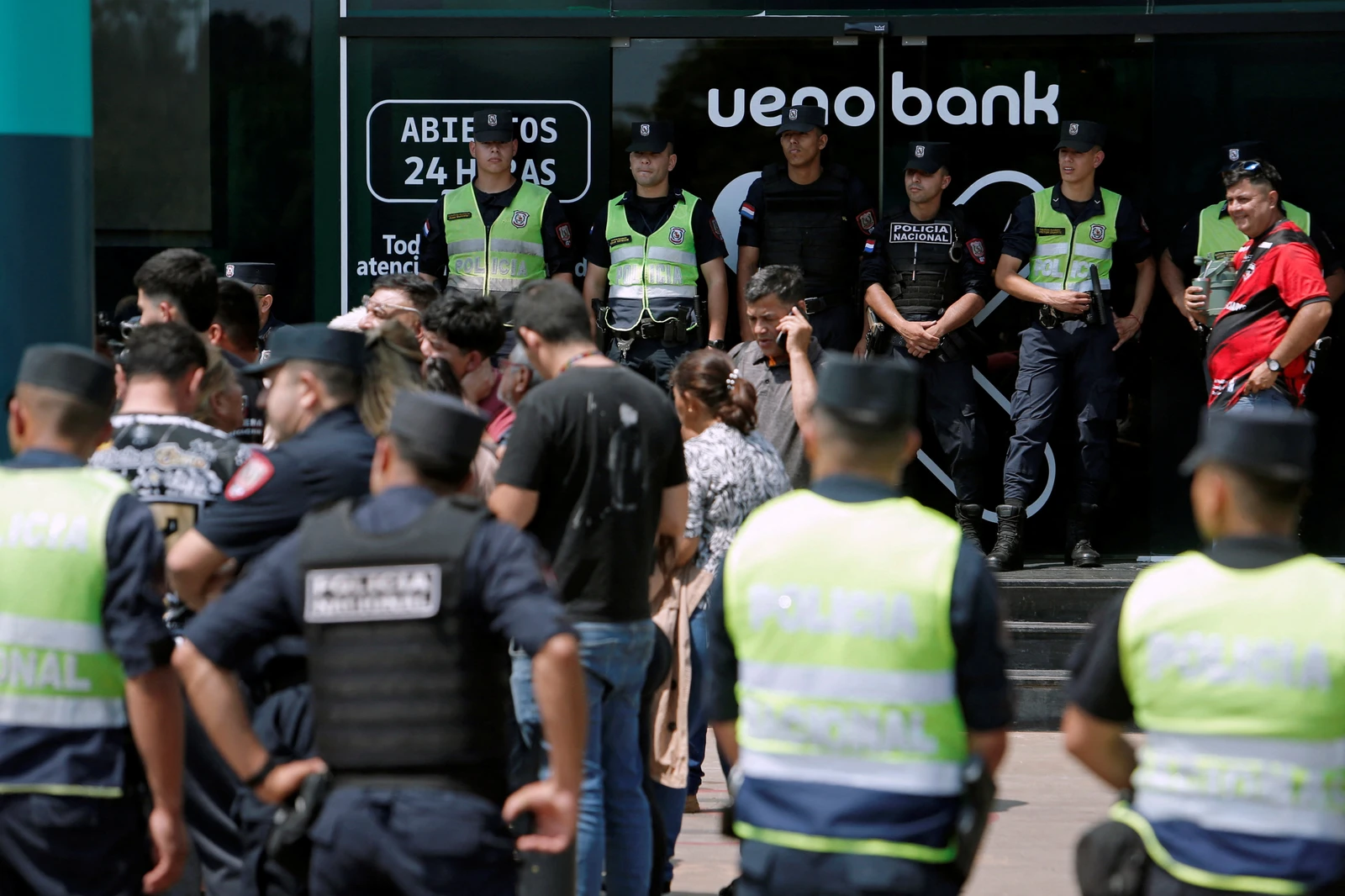
The Central Bank’s seizure of Pena-linked Ueno Bank two days earlier froze the deposits of some three million people, including pensioners, and sparked angry demonstrations across the country.
Thousands of Paraguayans gathered outside Congress on Thursday to protest against the president, who is still technically in power as his resignation awaits legislative approval.
“Give back the money,” AFP journalists heard them yelling. Earlier demonstrations featured clashes with the police, who used tear gas and water cannons on the crowd.
“My family ran out of money, we don’t have any cash. Santi (Pena) is a criminal, he has to go to jail,” 21-year-old student protester Andres Maldonado told AFP.
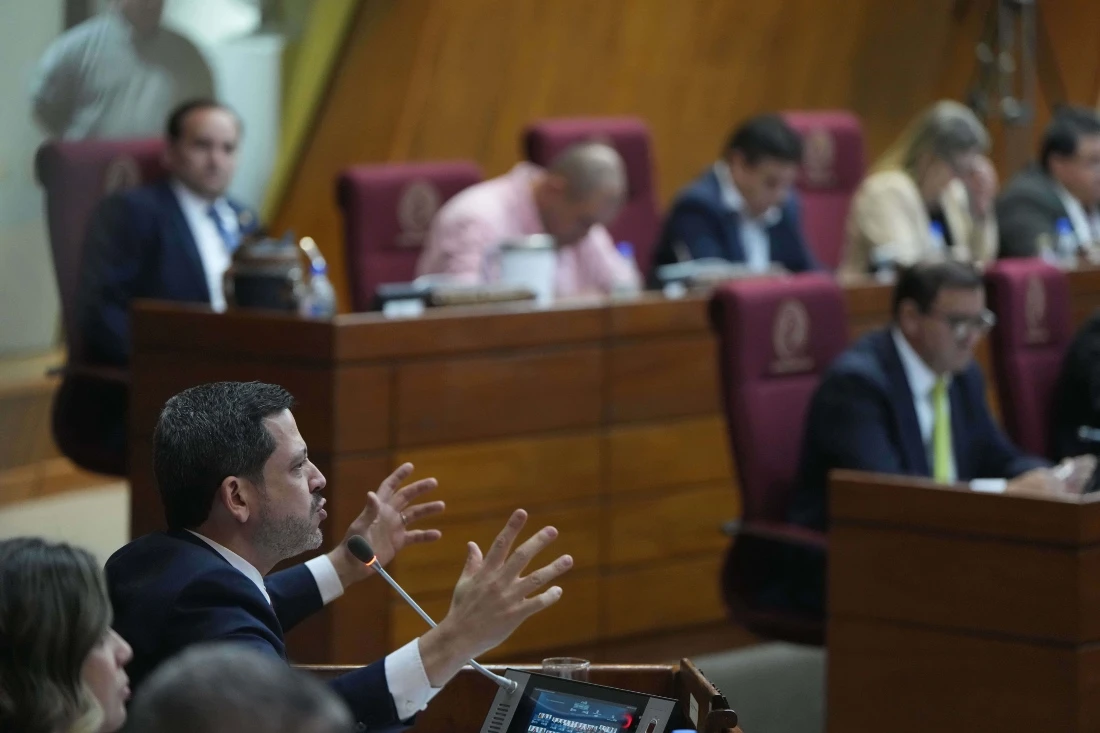
Lawmakers voted unanimously Thursday to launch impeachment proceedings against Pena over the crisis, alleging misconduct and a conflict of interest in dealings with the bank to which he is tied.
The right-wing president said he would attend his impeachment trial, which is set to begin Friday, after earlier apologizing to the people of Paraguay.
“It was never my intention to betray the trust you placed in me,” he said in a video posted on X announcing his resignation.
Pena’s priority, he added, is “the peace of mind of Paraguayans who entrusted their savings to our financial system.”
Pena’s Interior Minister Enrique Riera also resigned from his post Thursday, according to a decree published in local media, with Carlos Benitez appointed to replace him in the interim.
‘Nowhere to live’
Paraguay’s Central Bank said it took over Ueno due to a severe capital shortfall, in order to “protect depositors and preserve the stability of the financial system.”
“Ueno approved a loan for us to buy our first house. But the funds were never disbursed, and now we have nowhere to live,” 26-year-old Nadia Gonzalez, a mother of three, told AFP.
Long lines of people trying to withdraw their money from Ueno branches snaked down Asuncion’s streets on Tuesday and Wednesday.
Pena owned shares in a group that controlled the bank, but he sold them last year.
He had attempted to ease tensions by requesting the resignation of Central Bank president Carlos Carvallo, who consented, and setting a five-day limit for the return of funds. Neither measure proved sufficient.
Congress called an extraordinary session of both chambers Thursday to decide whether to accept Pena’s resignation or reject it and proceed with the impeachment process.
But the session failed to reach a quorum, so the vote did not go ahead.
A later extraordinary session scheduled the impeachment trial to begin on Friday morning.
“A criminal scheme has been set up here that has dedicated itself to draining a bank, under the protection of institutions he controlled as president of the republic,” opposition lawmaker Raul Benitez stated.
The aim is to conclude the trial on Friday as a way to “reassure the public,” ruling party Senator Derlis Maidana told reporters.
Vice President Pedro Alliana is set to take over as leader of the South American nation.