- Jean-Pierre Lacroix warns of security vacuum in southern Lebanon when UN Interim Force in Lebanon’s mandate expires at end of the year, urges Security Council to consider alternatives
- Lebanon’s president, prime minister and army commander all raised concerns with him about the risk of having no third-party presence in border region, he says
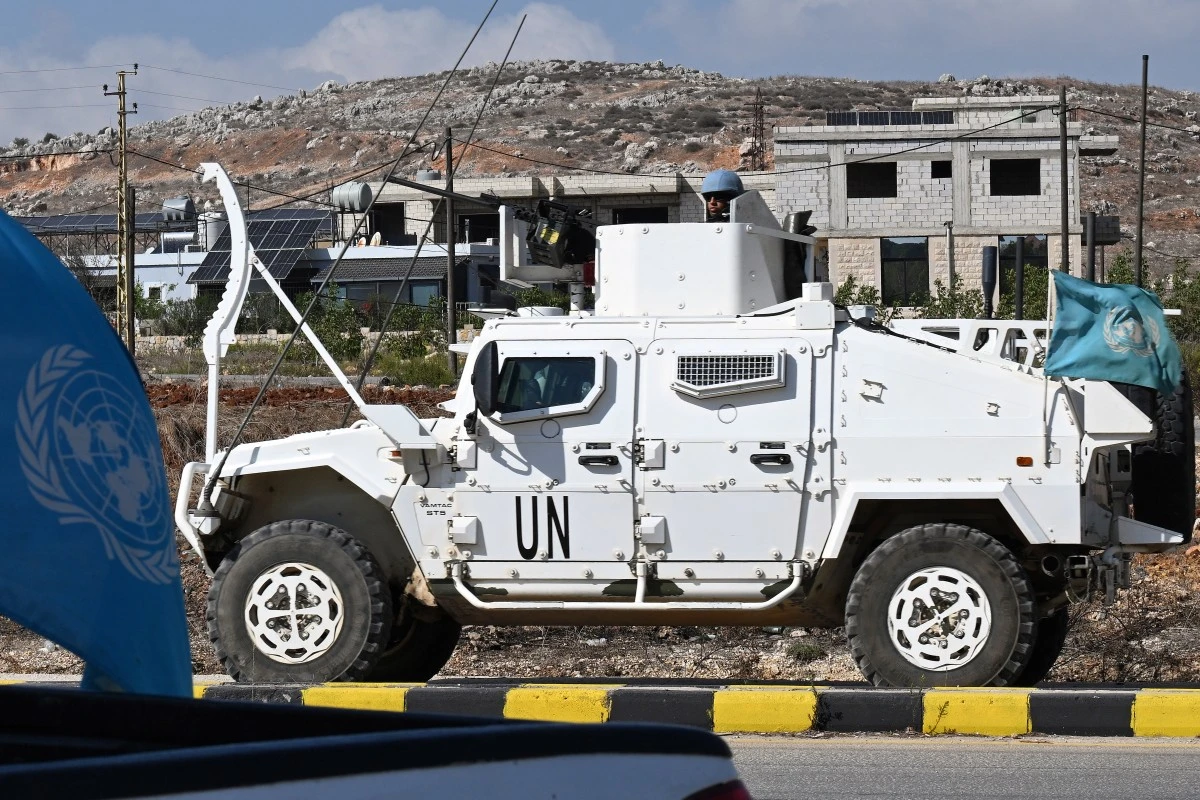
NEW YORK CITY: The UN’s peacekeeping chief warned on Wednesday that the Lebanese army and Israeli forces could be left facing each other with no third-party buffer when the UN Interim Force in Lebanon’s mandate ends in December, and pressed the Security Council to provide guidance on what should come next.
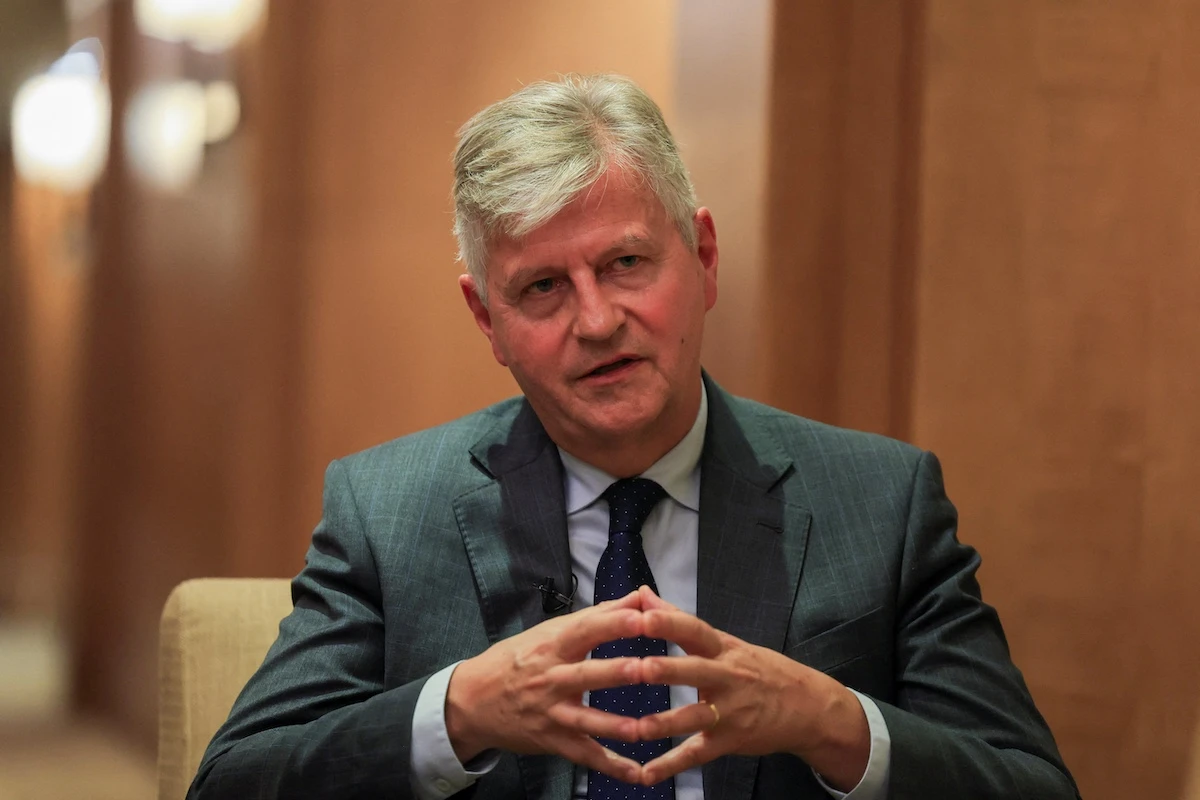
Jean-Pierre Lacroix, the under-secretary-general for peace operations, said that during his recent visit to the country, Lebanese leaders had voiced fears of a security vacuum in the south, and he believed some of their concerns were warranted.
“Do we really believe that the Lebanese army and the Israel Defense Forces can be just left facing one another without any third party?” he asked as he briefed reporters at the UN headquarters in New York.
UNIFIL’s liaison and deconfliction mechanism, he said, was “a very effective one,” not only in its ability to prevent unintended escalation, but in securing access for humanitarian convoys that must be cleared with all parties, in particular the Israeli military.
“If we don’t have that anymore, then do we really have any other mechanism that would provide for this kind of de-escalation?” he added.
Lacroix met during his recent visit with President Joseph Aoun, Prime Minister Nawaf Salam, Parliament Speaker Nabih Berri, ministers and the commander of the Lebanese army. All of them, he said, raised concerns about the prospect of having no third-party presence in southern Lebanon, the end of monitoring and reporting along the Blue Line that separates Lebanon from Israel, and the loss of UNIFIL’s demining and engineering capabilities.
About 10,000 people live between the Blue Line and the so-called yellow line that is Israel’s forward line of defense, Lacroix said, cautioning that an exact figure was hard to establish. Humanitarian access to them would be “really vital,” he added.
Military observers from UN Truce Supervision Organization would retain their mandate, which predates that of UNIFIL, but Lacroix questioned how unarmed observers could operate without UNIFIL support in an area strewn with mines and unexploded ordnance, and where “there is kinetic activity going on.”
Plans for the withdrawal of UNIFIL, prepared under the supervision of the force’s commander, Maj. Gen. Diodato Abagnara, were ready and flexible enough to adapt should the Security Council authorize a follow-on UN presence. So far, however, there had been little movement on this within the council, he added.
Pressed by Arab News over reports that Washington had ruled out the possibility of any UN presence in southern Lebanon following the withdrawal, Lacroix declined to speculate.
“As long as the discussions at the Security Council haven’t really started, we can’t really prejudge the outcome,” he said. “It’s a bit pointless to speculate on the kind of position, ultimately, that particular member state or another member state will take.
“Lebanon needs international support; that’s very clear,” he said, and he welcomed an EU mission to train and build the capacity of the Lebanese army and police. Talks on a separate multinational force were ongoing, he added, with no final decision on how or when it might operate.
Lacroix praised what he described as “courageous” decisions by Lebanese authorities, including their engagement in a US-mediated tripartite framework for talks with Israel, which the UN supported. The challenge, he said, was to ensure international backing that avoided “any stalling or even reversal” of progress made since the start of the year.
The issue of Hezbollah’s weapons, he said, was addressed by the goals of Resolution 1701, which ended the 2006 war between Israel and Hezbollah and governed security arrangements along the Israel-Lebanon border.
“Ultimately, it’s about restoring Lebanon’s full sovereignty, including full control of arms by the legitimate security forces and armed forces,” he said, while also ensuring the security concerns of Lebanon and the wider region, including Israel, were fully addressed.
“At least on Lebanon, the key objectives are not disputed; the question is how to get there,” he added.
Lacroix said his latest visit was likely to be the last that offered a chance for him to see UNIFIL peacekeepers at work in the field, and he had gone to pay tribute to their decades of service.
UNIFIL’s mandate was established in March 1978 after Israel invaded southern Lebanon, and its mandate was significantly expanded under Resolution 1701 after the 2006 war between Israel and Hezbollah. In August 2025, the Security Council unanimously adopted a French-drafted resolution that, in a compromise with the US, extended the mandate “for a final time” until Dec. 31, 2026. The force has a year from that date to complete its withdrawal.
In June, the UN’s secretary-general, Antonio Guterres, proposed three post-UNIFIL options for southern Lebanon. They included a force of about 2,000-5,500 UN personnel who would monitor the ceasefire and provide support for the Lebanese army, a proposal that was backed by several members of the Security Council, in particular China and Russia.