- Iran will not allow enriched nuclear material to leave the country, security chief says
- Iran indicates it will not limit its retaliatory actions to the Middle East.
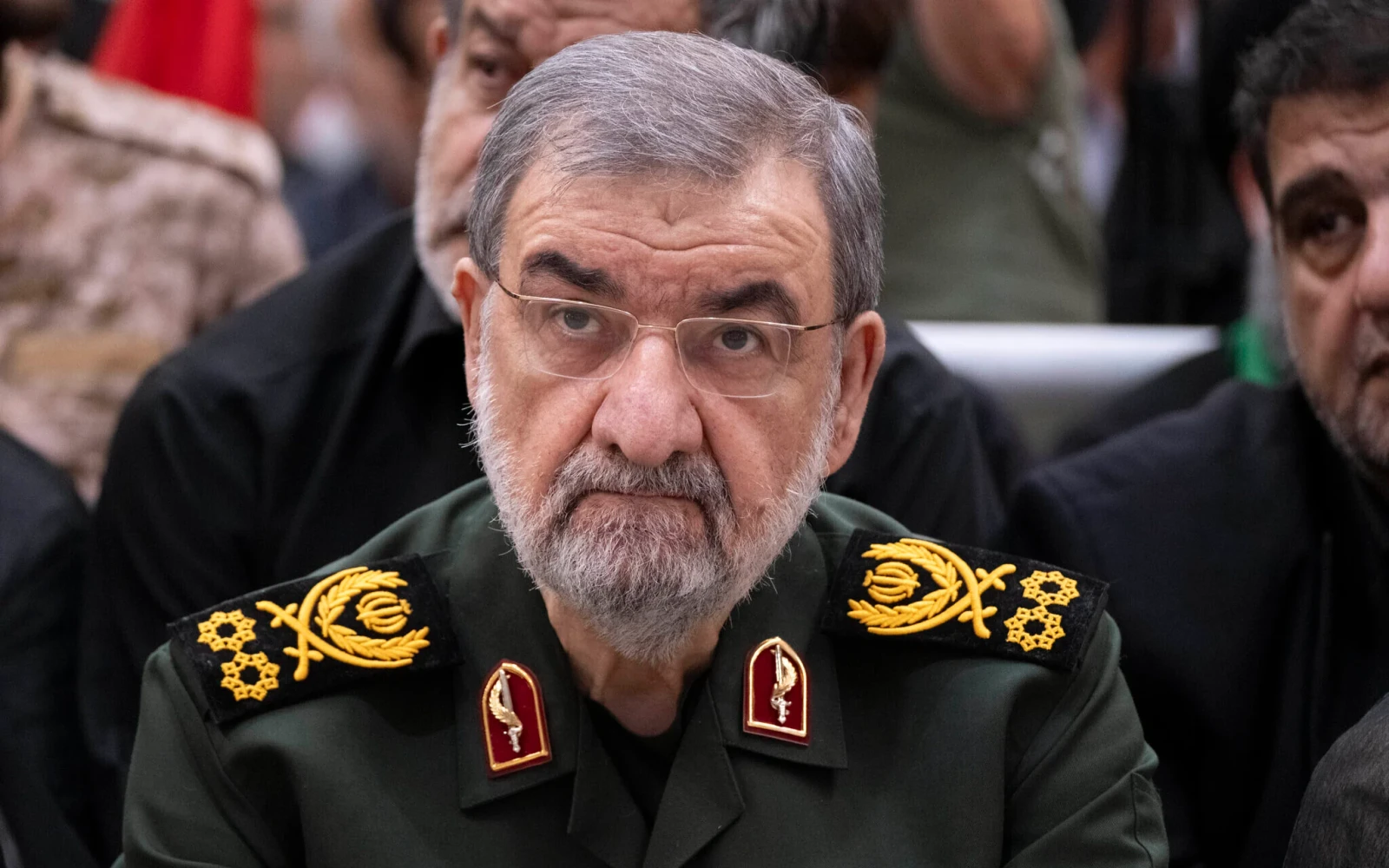
TEHRAN: Iranian security chief Mohsen Rezaei has threatened to strike US bases beyond the Middle East, including in Europe, if they are used for attacks against the Islamic republic.
“If American aircraft take off from an American military base, even one located in a European country or some other distant region, to bomb Iran, we will strike those bases as well,” Rezaei told Lebanon-based Al Mayadeen TV in an interview broadcast on Wednesday.
He also said that Iran’s response to renewed US attacks would “target America’s more distant military installations — including the ones we have not yet attacked,” without specifying.
“We may even strike certain islands that they assume are beyond the reach of our missiles,” he added during the interview, which was conducted in Tehran.
During the interview, he reiterated that Iran will not allow even a single particle of enriched nuclear material to leave the country.
“We need the enriched material to design ships and submarines that work on nuclear energy,” Rezaei said, adding that Tehran has informed Moscow that its enriched nuclear material will remain in the country and “we will use it ourselves.”
Rezaei's statements came after US officials downplayed the need for additional military action against Iran, with analysts noting President Donald Trump’s more conciliatory tone since the Republicans’ defeat in the November 3 midterm elections.
He has said there are currently no negotiations taking place between Tehran and Washington.
The Middle East war broke out on February 28 with US-Israeli strikes that killed Iran’s supreme leader, Ayatollah Ali Khamenei.
Iran responded by launching missiles and drones at countries across the region, while the militant groups it backs in Lebanon, Yemen and Iraq also entered the fray.
Diplomatic efforts led by Qatar and Pakistan have been underway to negotiate an end to the war. Iran has sent the US a nuclear proposal via Qatar, to be discussed only after Washington meets seven demands which Tehran has presented.
Tehran insists that Washington accept a raft of demands including unfreezing assets and lifting sanctions in return for reopening the Strait of Hormuz, the vital energy conduit it has blockaded since the start of the conflict.
Russia has previously offered to remove uranium from Iran as part of a potential deal to ease US concerns but said it was for Tehran to decide whether to remove it or not.
The IAEA estimates that Iran had 440.9 kg of uranium enriched to 60 percent — a level far higher than needed for civilian use — when Israel and the US attacked Iranian nuclear facilities in June 2025. How much of that has survived is unclear.
Israel, the United States and other Western countries have long accused Iran of seeking nuclear weapons. Iran denies the accusation.
Washington has said nuclear issues must be part of any initial negotiations with Iran aimed at ending the war between the two countries.