- Mohammad Shukri Sheikhani experienced torture, deprivation over 6-year period
- Preserving prisoners’ testimonies essential to ensuring justice, he says
DAMASCUS: A man who spent six years in detention in Syria has recounted the torture, abuse and harsh conditions he suffered while being held inside Saydnaya prison and other security branches under the country’s former regime.
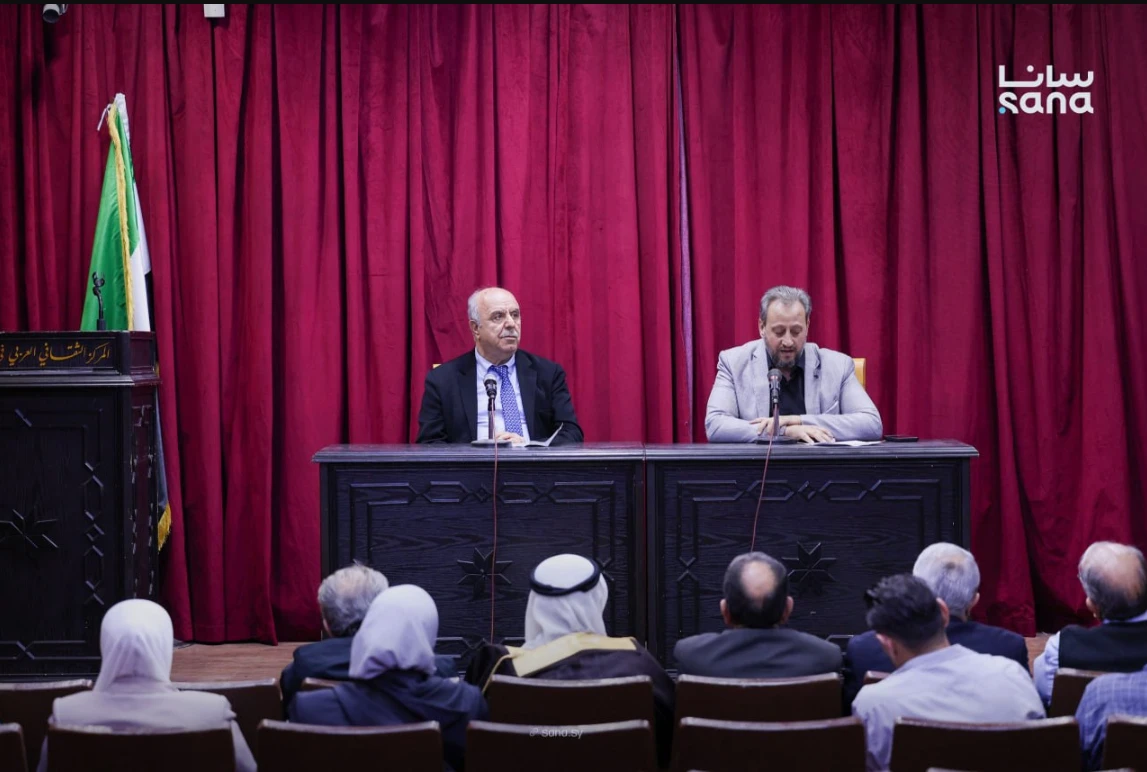
Mohammad Shukri Sheikhani was speaking at the Arab Cultural Center in Damascus as part of the “Memory of the Damascus Revolution” lecture series, which seeks to document the experiences of Syrians imprisoned under Bashar Assad’s regime and preserve them for future generations.
The lecture covered Sheikhani’s experiences in detention between 2005 and 2011, including the 2008 Saydnaya prison uprising and the suffering of families searching for missing relatives.
He described the stages of detention, from initial arrest and interrogation at security branches, including the notorious Palestine Branch, to his imprisonment at Saydnaya.
He recounted widespread physical and psychological torture, humiliation and degrading treatment, describing a detention system designed to break prisoners’ will and isolate them from their families and communities.
The interrogations frequently relied on fabricated accusations, intimidation and coercion to extract confessions, while detainees were denied basic human rights, he said.
The abuses extended beyond individual acts of mistreatment to form part of a broader system of repression inside detention facilities.
Sheikhani also highlighted the suffering of detainees’ families, many of whom spent years searching for information about their loved ones.
Families frequently visited government institutions and security facilities without receiving clear answers about their loved ones’ whereabouts or fate, he said.
Sheikhani described cases of financial extortion in which families were asked to pay money in exchange for promises of information about detainees or improvements to their detention conditions.
This uncertainty and financial pressure compounded the psychological and economic hardships experienced by families, he said.
Sheikhani devoted part of his testimony to the 2008 Saydnaya prison uprising, describing it as a defining episode in its history.
He said that the authorities responded to the unrest with severe measures, including prolonged deprivation of food, water and electricity, to pressure detainees and inflict psychological suffering.
The confrontation lasted for about six months and left lasting psychological effects on prisoners, he said.
Despite the harsh conditions, Sheikhani said that detainees sought to preserve their dignity and defend their right to freedom and humane treatment. He stressed the importance of documenting their experiences to preserve evidence of abuses and protect the rights of former prisoners.
He called for greater support for survivors and their families, including assistance for children, access to basic services, employment opportunities and programs to help former detainees reintegrate into society.
Preserving firsthand testimonies was essential to ensuring justice for victims, safeguarding the truth and preventing the suffering of detainees from being forgotten, he said.