- During discussions with Iranian counterpart, Egyptian foreign minister reiterates that security of Gulf states is an extension of Egyptian and Arab national security
- The diplomatic appeals follow limited US strikes overnight on Iran’s Qeshm Island that Washington says targeted surface-to-air missiles used against American assets
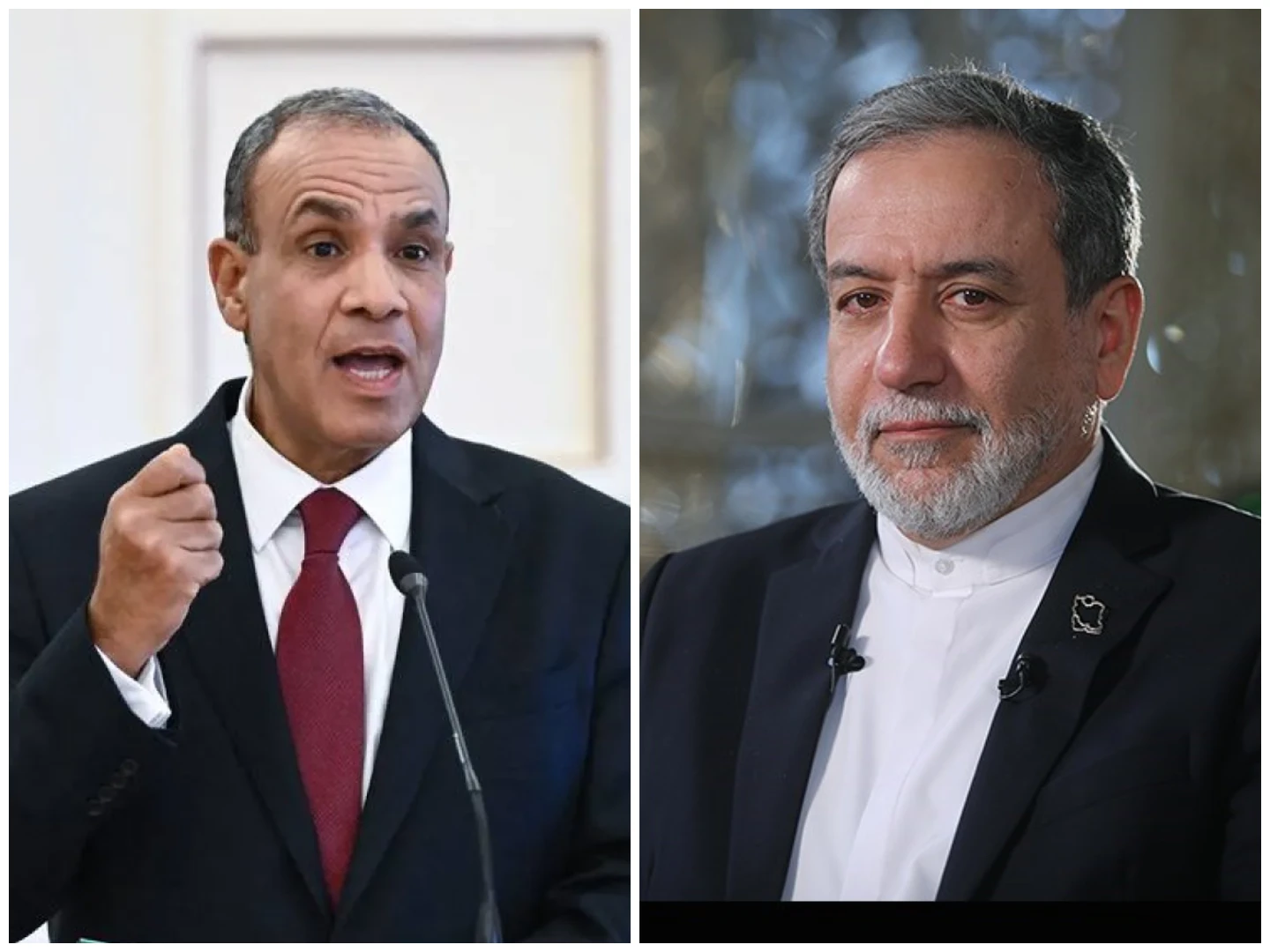
CAIRO: The Egyptian foreign minister, Badr Abdelatty, on Tuesday urged all involved in the conflict between the US and Iran to show flexibility and pursue a political solution.
Speaking during a telephone conversation with his Iranian counterpart, Abbas Araghchi, amid growing fears of renewed military escalation, Abdelatty stressed the importance of restraint and intensified diplomatic engagement to avert further hostilities, and warned that renewed fighting could have serious consequences for regional security and stability.
He also reiterated that Egypt considered the security of Gulf states a priority and an extension of Egyptian and Arab national security, the Egyptian Foreign Ministry said. The officials also discussed other recent regional developments and diplomatic efforts to bring Washington and Tehran back to the negotiating table.
Foreign Ministry spokesperson Nader Zaki said the talks between the ministers had focused on preventing a resumption of hostilities and supporting efforts by regional partners to reach a comprehensive agreement that addressed the concerns of all sides.
Earlier on Tuesday, the Egyptian president, Abdel Fattah El-Sisi, urged the US and Iran to demonstrate maximum flexibility and allow negotiations to proceed “before it is too late.”
Renewed military confrontation could have “catastrophic” consequences for the region and the world, he warned as he called for a political agreement that addressed the demands and concerns of both sides.
The diplomatic appeals followed limited strikes by the US on Iran’s Qeshm Island overnight, which targeted surface-to-air missiles used against American assets, according to Washington. US officials described the strikes as defensive in nature and said they did not signal a return to major combat operations. However, President Donald Trump issued renewed warnings on Tuesday of possible further military action.
Washington and Tehran remain far apart in efforts to reach an agreement that could end the war, which began when the US and Israel carried out strikes against Iran in February.
In a separate telephone call on Tuesday, Abdelatty and his Qatari counterpart, Sheikh Mohammed bin Abdulrahman Al-Thani, agreed on the need for an intensification of diplomatic contacts with the parties involved in the conflict, and to allow sufficient time for negotiations.
They stressed the importance of continuing coordination with regional and international partners to prevent further military escalation, Egypt’s Foreign Ministry said.
The Qatari minister also reaffirmed Doha’s support for diplomatic efforts to restore freedom of maritime navigation and reach a comprehensive agreement to secure lasting regional peace, the Qatar News Agency reported.
Doha, which has been a mediator in talks between Washington and Tehran, has intensified its diplomatic efforts in recent days. Qatari officials traveled to Tehran on Monday to discuss a draft agreement, while both the US and Iran continued to review proposals that might help to resolve their differences.
An interim agreement in June failed to secure a lasting ceasefire or restore freedom of navigation for commercial shipping passing through the Strait of Hormuz, which is a vital route for global energy supplies.
Iran has demanded the lifting of US oil sanctions, the end to an American naval blockade and the release of frozen Iranian funds before it will consider reopening the strait and the resumption of negotiations over its nuclear program.