For millions of people living and working in Saudi Arabia, sending money abroad is far more than a financial transaction.
It can mean supporting family, contributing to household expenses or helping loved ones through an unexpected event. When the purpose of a payment matters this much, confidence in how that money moves matters too.
Digital technology has made international money movement faster, more accessible and more convenient. But as the experience evolves, so do consumer expectations. People want to know where their money is, when it will arrive and that it is protected along the way. The next chapter of remittances will therefore be defined as much by trust as by technology.
Visa's Money Travels 2026 research illustrates the importance of international money transfers for consumers in Saudi Arabia.
According to the research, conducted by Morning Consult between Feb. 24 and March 2, 2026 among 1,117 adults in Saudi Arabia, including expatriate residents, 45% of consumers surveyed reported having sent money internationally.
The research also points to family and cultural obligations among the motivations for sending and receiving funds.
The way consumers move that money is also changing. The research shows that 54% of remittance senders surveyed in Saudi Arabia use digital channels such as online banking or a bank's mobile app to send remittances.
As international money movement becomes increasingly digital, consumers bring with them the expectations shaped by their broader digital lives: simpler experiences, clearer information and greater visibility over their transactions.
Affordability remains an important part of the equation. According to the World Bank's Remittance Prices Worldwide report, the global average cost of sending remittances was 6.36% of the amount sent as of Q3 2025, more than double the 3% Sustainable Development Goal target for 2030.
But cost and convenience are only part of the consumer experience. Security is equally important.
Visa's research found that, across all remittance channels, one in four remitters surveyed in Saudi Arabia reported having been targeted by or experienced a scam.
Requests from fraudsters for upfront fees or charges to release a transfer, and payments for goods or services that were never delivered, were among the most commonly reported scam types.
That finding should give the industry pause. As consumers embrace digital ways to move money, innovation and security need to advance together.
Strengthening safeguards, raising consumer awareness and providing clear information throughout the payment journey can all help consumers navigate international money movement with greater confidence.
Trust, after all, is shaped by the entire experience. It means having clarity about the transaction, confidence in the service provider and appropriate safeguards when something goes wrong. Technology has already transformed how efficiently money can move across borders. The challenge now is to ensure the experience surrounding that movement keeps pace.
Saudi Arabia's continued development of its digital economy and financial services ecosystem creates an important opportunity to advance the international money movement experience. As digital adoption grows, the focus should be on ensuring innovation translates into services that meet consumers' needs while maintaining their confidence.
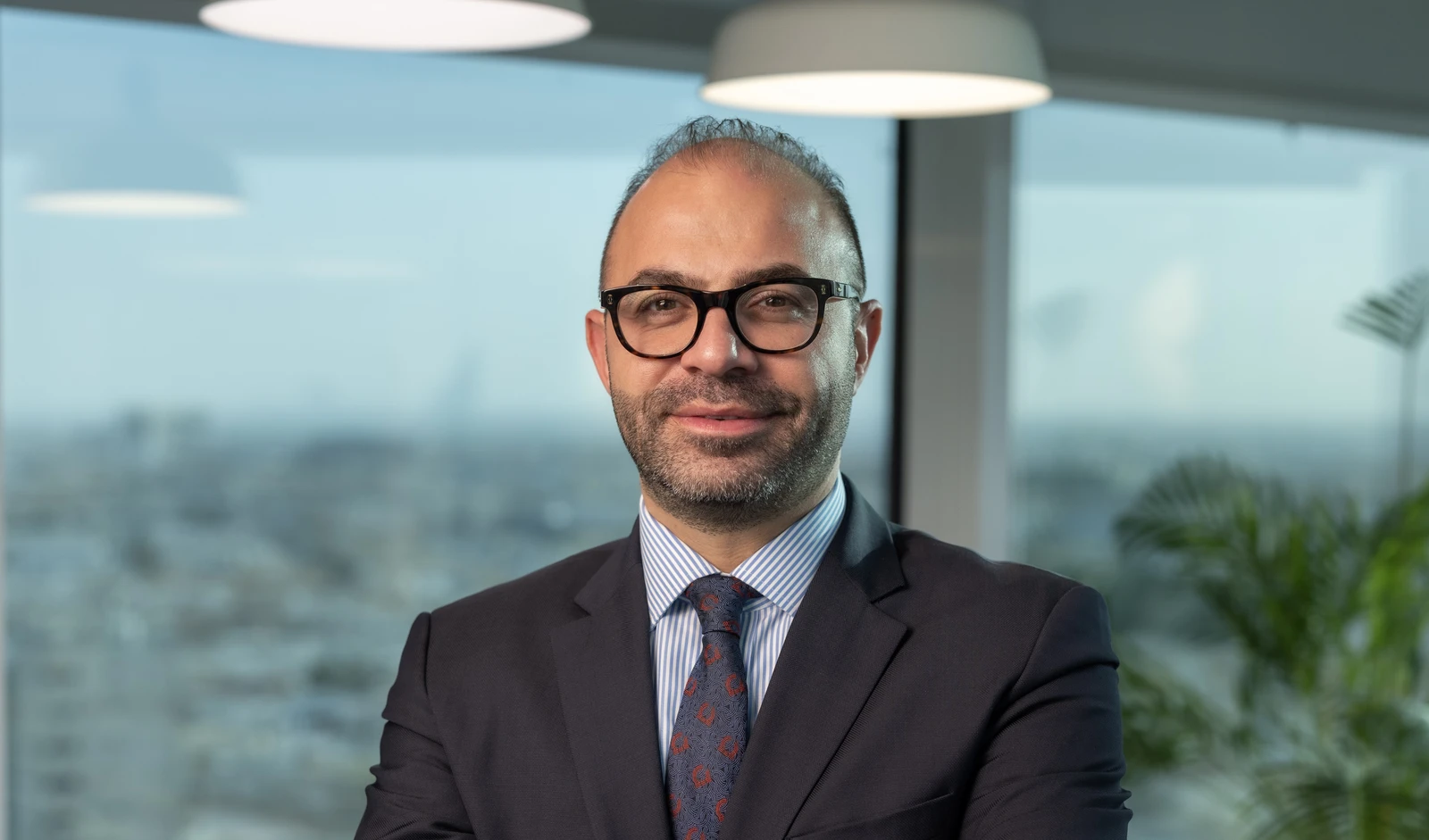
The writer is Senior Vice President and Group General Manager for Saudi Arabia, Bahrain and Oman at Visa.